Admissions of Foreign Students Under Self-finance Scheme in MBBS & BDS
Embassy of Pakistan, Paris
The Higher Education Commission (HEC) administers admissions of foreigners as well as dual nationality holders of Pakistan in various public sector Universities/Colleges of Pakistan in the disciplines of Medicine (MBBS) and Dentistry (BDS) under the Self Finance Scheme (SFS), following the admission rules and regulations of Pakistan Medical Commission (PMC).
This Section deals with procurement of different Military hardware. The French and European market provides an opportunity to procure various hardware necessary to combat Pakistan’s War Against Terror. This section serve as an official procurement agency for procurement of various equipment and spare parts required by Pakistan Armed Forces.
[notice]For more information, clarification or query please contact us at Line: 01 45 62 64 82 , and 01 45 62 23 32, select language and then Press 9 for operator. The operator will connect you to the concerned section. We can also be contacted electronically on parisadp@yahoo.com [/notice]
Embassy of Pakistan, Paris attests and legalises a variety of documents. Requirements for attestation and legalisation of these documents are given bellow:
Information
Information Please read the following information carefully before visiting the Embassy of Pakistan, Paris for legalisation of your documents.
Family Book (Livret de Famille)
Duly filled Family Book form to be filled. (This could be downloaded from this website. It can also be obtained from the Consular staff at the Embassy).
Original marriage registration certificate or Nikah Nama.
Original Passports or original Birth Certificates of Husband and Wife (In case husband or wife is in Pakistan, then his/her birth certificate attested by the Ministry of Foreign Affairs of Pakistan will be required).
For children born in Pakistan, their original passports or original birth certificates attested by Ministry of Foreign Affairs of Pakistan are required.
In case of children born in France, their Birth Certificate(s) issued by local Mairie will be required.
Attestation of Power of Attorney
The presence of Executant(s) before the Consular Officer is mandatory.
2 photographs of the executant(s).
Original CNIC or Pakistani Passport of the executant(s).
CNIC copies of the two witnesses.
01 Copy of Power of Attorney.
Extract d’act de naissance, Coutume Certificate.
Original Passport or National Identity Card of Pakistan.
After verification of one of the above documents, the birth certificate will be issued on the same day.
Concordance sur la meme personne & Concordance Nom / Prenom (First/Family Name Certificate) etc.
Original Pakistani Passport.
Other Documents Issued from Pakistan
All documents issued from Pakistan like any NOC, Birth Certificate, Educational Certificate, Marriage Certificate, Character Certificate etc. are attested by the Embassy provided they are first attested by the Ministry of Foreign Affairs in Islamabad or by one of the camp offices in Lahore, Karachi, Quetta or Peshawar. Original copies of all the above documents are required for attestation.
Documents Issued from France
All documents issued from France required to be attested by the Embassy must first be attested / notarized by the French Ministry of Foreign Affairs.
Fee Structure (Euros)
For attestation of all the above mentioned documents, a fee of Euro 12.00 is charged.
To promote investment in the country, the Government of Pakistan is granting 5 year Multiple Entry Business Visas to the businessmen of the countries listed under the following categories:
Government of Pakistan offers Visa on Arrival in Business category, for nationals of 50 countries including France. Third country nationals living in France (including Monaco) and citizen of countries listed (Click here) are eligible to apply for this Visa.
NOTE: You may be eligible to Apply for a Business Visa On Arrival, please check your eligibility here.
Required Documents
Photograph.
Passport.
For Third Country nationals, submission of the valid French Visa and Carte de Séjour in France is mandatory.
Proof of registration of company which is extending invitation (SECP/ Chamber of Commerce Certificate recommendation).
Any of the following:-
Original recommendation letter from CC&I of respective foreign country.
Original Invitation letter from business organization duly recommended by concerned trade organization in Pakistan.
Original Recommendation letter by the Honorary Investment Counselor of BOI/ Commercial Attaché.
[/vc_column_text][/vc_column][/vc_row]
Business Visa on Arrival
[vc_row][vc_column][vc_column_text]Business Visa on Arrival
Business Visa On Arrival. Details are as under:-
Eligibility.
To avail the Business Visa On Arrival, you must be a citizen of France. Third Country Nationals living in France may refer to the list (Click here).
Required Documents
Photograph.
Passport.
For Third Country nationals, submission of the valid French Visa and Carte de Séjour in France is mandatory.
Proof of registration of company which is extending invitation (SECP/ Chamber of Commerce Certificate).
Any of the following:-
Original recommendation letter from CC&I of respective foreign country.
Original Invitation letter from business organization duly recommended by concerned trade organization in Pakistan.
Original Recommendation letter by the Honorary Investment Counselor of BOI/ Commercial Attaché.
[/vc_column_text][/vc_column][/vc_row]
Cancel your appointment
This appointment doesn't exist
Commercial Section
All matters of trade, commercial, economic and investment relations between Pakistan and France are handled by the Commercial Section. The primary responsibility is to build bridges between the importers and exporters of France and Pakistan. The Commercial Section helps both, the French and Pakistani sides to identify the counterpart required in business and trade; thus becoming the main “link” in the “supply-demand” chain. For this purpose, the Commercial Section regularly arranges and participates in trade fairs and exhibitions, highlighting the undisputed greater economic potential of Pakistan-France bilateral economic relations.
The Economic and Commercial Section offers services to enhance bilateral trade between France and Pakistan. We offer tailor-made business consulting service to businesses and organize business events & delegations throughout the year to highlight trade & investment opportunities in Pakistan and France. Some useful information and policies can be found here
For more information, clarification or query please contact us at Line: 01 45 61 99 77 or on pak.emb.comm@wanadoo.fr
commercial@pakembparis.com
Conference/Seminar/Other types of Visa
[vc_row][vc_column][vc_column_text]Conference/Seminar/Other types of Visa
Conference/Seminar/Other types of Visa. Foreign citizens who wish to participate in sports, conferences, seminars and various Sports & Cultural events taking place in Pakistan can apply for this visa. Details are as under:-
Eligibility
All Countries.
Applicant must apply 6 weeks in advance of the event he/ she intends to attend.
Required Documents
Photograph.
Passport.
Invitation letter from host organization (In case of accompanying family, there should be a provision to provide invitation letter specifically extended for the family and should carry their entire details).
[/vc_column_text][/vc_column][/vc_row]
Consular Services
This section provides the information about Consular Services available at Embassy of Pakistan, Paris for the Pakistani expats residing in France. You can find information on Passport, Visa, NICOP/POC, Attestation of Documents and other Consular Services here. Please click on relevant service to know more.
The telephone numbers and email provided in this Section can be used to contact relevant section of the Embassy of Pakistan, Paris.
The Embassy of Pakistan, Paris indents to provide quality and error free consular services to all members of community round the clock. For any consular related query, (Tuesday-Saturday) please contact the Embassy Reception Desk from 0900-1300 hours.
You may also speak directly to our consular representatives between (1400-1600 hours).[/notice]
Due to heavy traffic of incoming calls our telephone lines remain constantly busy. Please use appropriate email address or telephone number for contacting various section of the Embassy.
If you are in France and have coronavirus symptoms, call SAMU Center (Emergency Medilcal Service) 15.
A toll-free hotline service can answer your questions about the Coronavirus COVID-19 non-stop , 24 hours a day, 7 days a week: 0 800 130 000. The toll-free hotline service is not qualified to give medical advice. So if you have signs of respiratory infections 14 days after you return from China (mainland China, Hong Kong, Macao), Singapore, South Korea, Iran or the Lombardy and Veneto regions in Italy, dial 15.
Country-Specific Information:
Entry and Exit Requirements:
There are no travel restrictions at this time.
No particular documentation to enter/exit Pakistan is needed at this time.
Note: If you are in France and were in any of the affected areas in the last 14 days and develop fever and/or respiratory symptoms such as shortness of breath or cough, stay indoors and immediately seek medical attention by contacting 15.
This Section deals with all Defence related matters between two countries. It also handles Pakistan’s cooperation with NATO. This section has concurrent accreditation of Belgium and Switzerland.
For more information, clarification or query please contact us at Line: 01 45 62 64 73 , and 01 45 62 23 32, select language and then Press 9 for operator. The opertaor will connect you to the concerned section. We can also be contacted electronically on assistant_paris@hotmail.com
Diamar Bashar Mohmand Fund raising
On the instructions of the Supreme Court of Pakistan, the Embassy has opened an account known as “Diamer Basha and Mohmand Fun 2018” for raising funds for the construction of both these dams in the country.
The details of the account are as under :
Title of the Account: Diamar Basha and Mohmand Fund 2018
Account No : 0000 4270 008
Bank : National Bank of Pakistan, 128 Boulevard Haussmann, 75008 Paris
Donations can directly be sent to the State Bank of Pakistan. The details of the Account are as follows:
Bank: State Bank of Pakistan
Title: Supreme Court of Pakistan
Account No: 03-593-299999-001-4
IBAN: PK06SBPP0035932999990014
Pakistani community members are requested to donate generously for this national cause.
Diplomatic section
The Diplomatic Section deals with all aspects of bilateral relations between France and Pakistan. Headed by the Deputy Head of Mission (DHM), this section has a wide range of responsibilities. Apart from French Government, this section also liaises with the French scholars, academicians, think tanks, private humanitarian organizations, sportsmen, artists and more.
For more information, clarification or query please contact us at 01 45 62 23 32 , select language and then press 9 for the operator. He will connect you to the concerned officer.
Diplomatic Visa
[vc_row][vc_column][vc_column_text]
Diplomatic Visa
Diplomatic Visa.
Foreign Diplomats can apply for a GRATIS Visa for the diplomatic assignment. Details are as under:-
Eligibility
All diplomatic staff of foreign countries are eligible to apply for this visa.
Diplomatic Visas will be granted against authorized slots only.
[vc_row][vc_column][vc_column_text]Domestic Aide Visa
Domestic Aide Visa. Details are as under:-
Eligibility.
Foreign domestic workers are eligible to apply for this visa under the sponsorship of their employer.
Required Documents
Photograph
Passport
For Third Country nationals, submission of the valid French Visa is mandatory.
Contact Details of the Employer.
Copy of agreement duly attested by respective Embassy.
NOC by the respective Embassy.
[/vc_column_text][/vc_column][/vc_row]
Downloads
All the Forms are Fill-able and downloadable to the computer.
Fill the form in BLOCK CAPITAL (Press CAPS LOCK and start filling in the form)
The Fill-able forms can be printed out for signatures/Thumb Impression.
Please attach all the relevant documents with the form(s).
Visit the Consular Section along with duly filled form preferably as per the given instructions.
For ease of other applicants, the form(s) can be downloaded and the filling can be done by writing on the form. Please use BLOCK CAPITAL letters on the printed version.
Applicants are requested to apply for Pakistan Visa ONLY through the following website https://visa.nadra.gov.pk. Please note that there is no official website other than the mentioned above.
Government of Pakistan does not take responsibility of any misuse of provided data or any loss of payment made on any other website for Pakistani Visa.
[vc_row][vc_column][vc_wp_text]E-Visa
Government of Pakistan has launched E-Visa facility in the following categories.
Residents of France & Manaco are provided with consular services at the Embassy of Pakistan Paris.
PAKISTAN ONLINE VISA SYSTEM
(VISA PROCESSING INSTRUCTIONS)
General Visa Instructions.
Applicants are advised to carefully read the following visa processing instructions (common to all categories of Visas), this will ensure smooth and speedy processing of E-Visas:-
The list of countries eligible for E-visa Tourist (Click here) & Business categories (Click here)
Minimum 6 months valid passportis required for the visa processing.
Applicant’s physical presence in France is must for issuance of visa.
Applicants are advised to upload only original supporting documents for processing of visa applications (no faxed, photo
copied or emailed documents will be accepted).
Fresh visa of Pakistan will only be issued on the expiry of previous visa.
Host individuals/ companies to certify in invitation letters, that they will be responsible for applicants(in all respect) during their stay in Pakistan.
For Third country nationals, submission of the valid French Visa and Carte de Sejour in France is mandatory.
Nationals of Third Countries visiting France (as visitors, businessman and tourists) are advised to apply visa at the Pakistan Embassies in their country of residence or the Pakistani Embassy currently accredited to their country.
E-Visa Instructions
Before starting the process of applying E-Visa, make sure you have following documents readily available:-
Electronic version of your photograph and all supporting documents.
Valid credit/ debit card for online payment.
Please fill in the visa application form completely/ correctly, don’t leave any column vacant, the fields marked with (*) are mandatory(the provided data on the application form will be verified by relevant departments).
While applying visa through Pakistan Online Visa System from France, please select your nearest Pakistani Mission based on Jurisdiction. Selection of appropriate Pakistani Mission is essential (nearest to your residence of applicant), as subsequently, some E-Visa applicants might be required to appear for an interview before Visa Counselor at Embassy/ Consulate General.
Carefully select the category of visa as later it can’t be changed.
Applicants are advised to plan their journeys/ business trips and purchase Air Tickets, as per the Time Lines given for the visa processing of various categories of E-Visas.
⇒For questions and/ or complaints, you can approach Visa Counselor at the Embassy of Pakistan in Paris (parepparis@mofa.gov.pk).
VISA SYSTEM
(IMPORTANT TERMINOLOGIES)
Applicant. The applicant is the person (or persons) applying for Pakistan Online Visa.
Abolition List. It is list of countries with whom Government of Pakistan have concluded agreement for abolition of Visa on reciprocal basis. See Visa Abolition List at (Click here).
Business Visa List. This is a list of business friendly countries identified by Government of Pakistan. See Business Friendly Countries List (BVL) at (Click here)
Dependent Children. A child or stepchild, who has not turned 18 years of age, or, if aged 18 years or over, is a dependent. A dependent child must not have a partner or be engaged to be married.
Extension. You can extend your stay by applying for extension of relevant visa category in Pakistan.
Housemaid. Domestic servant.
Immediate family. Your partner and dependent children.
INGO. The registered international non-governmental organization in Pakistan.
JournalistJournalists, correspondents or reporters representing overseas news organizations.
List-A Countries. List of 183 countries defined by Government of Pakistan. See List-A countries details at (Click here).
List-B Countries. List of 2 countries defined by Government of Pakistan. See the details of List B countries at (Click here).
List of Prohibited Areas in Pakistan. List of prohibited areas identified by Government of Pakistan. See Prohibited Areas list at (Click here).
NGO. Non-Governmental Organization. A registered non-profit organization that operates independently of any government, one whose purpose is to address a social or political issue.
NOC. No Objection Certificate, is a type of legal certificate issued by any agency, organization and institute or, in certain cases, an individual.
Period of Stay. A foreigner may enter to Pakistan at any time within the validity of the granted visa. The period of stay will count from the date of his/ her arrival.
POC. Pakistan Origin Card. It’s the Identity document issued to foreigners with Pakistan Origin.
Transit Visa. A visa allowing its holder to pass through a country only, not to stay there.
Visa. Permission to travel to, to enter and/ or to remain in Pakistan for a period of time.
Visa Validity. The validity of visa is the period during which it can be used. All visas are valid for entry into Pakistan from the date of issue and if the visa has not been utilized during this period, it would become invalid.
PAKISTAN ONLINE VISA SYSTEM
HOW TO APPLY PAKISTAN ONLINE VISA
For a complete guide on how to apply for Pakistan Online Visa, please visit the following webpage. (click here).
[/vc_wp_text][/vc_column][/vc_row]
Embassy of Pakistan, Paris
Virtual Khuli Kuchehri – Thursday, 31 October 2024
Virtual Khuli Kuchehri – Thursday, 31 October 2024
SPECIAL SEMINAR AT EMBASSY OF PAKISTAN PARIS TO MARK KASHMIR BLACK DAY
SPECIAL SEMINAR AT EMBASSY OF PAKISTAN PARIS TO MARK KASHMIR BLACK DAY
Ambassador Asim Iftikhar Ahmad inaugurated the Pakistan Pavilion at SIAL Paris 2024
Ambassador Asim Iftikhar Ahmad inaugurated the Pakistan Pavilion at SIAL Paris 2024
UNESCO Unanimously Adopts Pakistan-led Resolution on “Countering Disinformation for the Promotion and Protection of Freedom of Expression and Access to Information”
UNESCO Unanimously Adopts Pakistan-led Resolution on “Countering Disinformation for the Promotion and Protection of Freedom of Expression and Access to Information”
DEFENCE DAY – TRIBUTE TO HEROS AND MARTYRS
DEFENCE DAY – TRIBUTE TO HEROS AND MARTYRS
Independence Day Celebrations of Pakistan – 14 August 2024
Independence Day Celebrations of Pakistan – 14 August 2024
Message from the Prime Minister of the Islamic Republic of Pakistan, Muhammad Shehbaz Sharif, on Youm-e-Istehsal’ (5th August 2024)
Message from the Prime Minister of the Islamic Republic of Pakistan, Muhammad Shehbaz Sharif, on Youm-e-Istehsal’ (5th August 2024)
Message from President, Islamic Republic of Pakistan, H.E Asif Ali Zardari, on the occasion of “Youm-e-Istehsal” (5 August 2024)
Message from President, Islamic Republic of Pakistan, H.E Asif Ali Zardari, on the occasion of “Youm-e-Istehsal” (5 August 2024)
ONLINE RENEWAL FACILITY FOR OVERSEAS PAKISTANI REGARDING DRIVING LICENSE (ISSUED BY ISLAMABAD POLICE)
ONLINE RENEWAL FACILITY FOR OVERSEAS PAKISTANI REGARDING DRIVING LICENSE (ISSUED BY ISLAMABAD POLICE)
Pakistan’s First International Expo on Disaster Risk Reduction-2024
Pakistan’s First International Expo on Disaster Risk Reduction-2024
Apart from providing services to the visiting applicants on first come first basis, you may also like to seek an online appointment at the Consular Section of the Embassy by using this online portal.
Appointments must be made at least two days before the expected date of the visit.
All offices of the Embassy of Pakistan, Paris except “Consular Section” remains open from Monday-Friday except gazetted holidays from 0900-1700 hours. For more information please call us at: =33 (1) 45 62 23 32
Consular Section Timings
Public Dealing: FromTuesday to Saturday : 0900-1300hours. For more information please call =33 (1) 45 62 23 32
Collection Timings
Machine Readable Passport(s) and other documents can be collected from the Consular Section from 0900-1430 hours from Tuesday to Saturday except closed days and gazetted holidays.
Consular Section Timings
Public Dealing: FromTuesday to Saturday : 0900-1300hours. For more information please call =33 (1) 45 62 23 32
Collection Timings
Machine Readable Passport(s) and other documents can be collected from the Consular Section from 0900-1430 hours from Tuesday to Saturday except closed days and gazetted holidays.
Embassy of Pakistan, Paris has the arrangement for issuing visa and Emergency Travel Document to Pakistani citizens if they need these during the weekends in case of extreme urgency. These services are provided for genuine emergency cases only.
Please call the following phone number on weekends for Emergency Consular Services:
TEL: Mr. Kashif Jameel (Head of Consular Section)
06.11.45.85.49
Applicants may be required to provide the proof of emergency.
Emergency Travel Document (ETD)
Is issued to the Pakistani nationals for travelling back to Pakistan only in extreme emergency cases when their Pakistani Passport is not available , lost OR they are not eligible for issuance of a new passport / renewal of passport. The applicant has to submit the proof of genuine emergency for issuance of Emergency Travel Document.
Explore Pakistan
Pakistan displays some of Asia’s most magnificent landscapes as it stretches from the Arabian Sea, its southern border, to some of the world’s most spectacular mountain ranges in the north.
Located in South Asia, Pakistan shares an eastern border with India and a north-eastern border with China. Iran makes up the country’s south-west border, and Afghanistan runes along its western and northern edge. The Arabian Sea is Pakistan’s southern boundary with 1,064 km of coastline.
The country has a total area of 796,095 sq km and is nearly four times the size of the United Kingdom. From Gwadar Bay in it’s south-eastern corner, the country extends more than 1,800 km to the Khunjerab Pass on China’s border.
Basic Facts
Official Name
Islamic Republic of Pakistan
Father of the Nation
Quaid-i-Azam Muhammad Ali Jinnah (1876-1948)
National Poet
Allama Muhammad Iqbal (1877-1938)
Head of the State
Mamnoon Hussain, President
Head of Government
Muhammad Nawaz Sharif, Prime Minister
Capital
Islamabad
Area
Total
796,095 Sq. km.
Punjab
205,344 Sq. km.
Sindh
140,914 Sq. km.
Khyber-Pakhtunkhwa
74,521 Sq. km.
Balochistan
347,190 Sq. km.
Federally Administered Tribal Areas
27,220 Sq. km.
Islamabad (Capital)
906 Sq. km.
Population
195.04 million (Estimated January 2017)
Administrative Setup
Pakistan is divided into four provinces viz., Balochistan Khyber-Pakhtunkhwa, Punjab and Sindh. The tribal belt adjoining Khyber-Pakhtunkhwa is managed by the Federal Government and is named FATA i.e., Federally Administered Tribal Areas. Azad Kashmir and Gilgit Baltistan have their own respective political and administrative machinery, yet some of their subjects are taken care of by the Federal Government through the Ministry of Kashmir Affairs and Gilgit Baltistan. Provinces of Pakistan are further divided into Divisions and Districts. Islamabad has its own administrative status as Capital Territory. Back to top
Divisions
Districts
Khyber-Pakhtunkhwa
7
25
Punjab
9
36
Sindh
6
29
Balochistan
6
31
While FATA consist of 13 Areas / Agencies and Azad Kashmir and Gilgit Baltistan have 10 Districts/ Areas each.
Cotton, textile goods, rice, leather items, carpets, sports goods, surgical instruments, handi-crafts, fish and fish prep. and fruit
Languages
Urdu (National) and English (Official)
Literacy rate
53%
Government
Parliamentary form
Parliament
Parliament consists of two Houses i.e., the Senate (Upper House) and the National Assembly (Lower House).
The Senate is a permanent legislative body and symbolises a process of continuity in the national affairs. It consists of 100 members. The four Provincial Assemblies, Federally Administered Tribal Areas and Federal Capital form its electoral college.The National Assembly has a total membership of 342 elected through adult suffrage (272 general seats, 60 women seats and 10 non-Muslim seats). Back to top
National Flag
Dark green with a white vertical bar, a white crescent and a five-pointed star in the middle. The Flag symbolizes Pakistan’s profound commitment to Islam, the Islamic world and the rights of religious minorities.
National Anthem
Approved in August, 1954 Verses Composed by: Abdul Asar Hafeez Jullundhri Tune Composed by: Ahmed G. Chagla Duration: 80 seconds
State Emblem
The State Emblem consists of: 1. The crescent and star which are symbols of Islam2. The shield in the centre shows four major crops3. Wreath surrounding the shield represents cultural heritage and4. Scroll contains Quaid’s motto: Unity Faith, Discipline
Textiles, Cement, Fertilizer, Steel, Sugar, Electric Goods, Shipbuilding
Energy
Major sources
Electricity (Hydel, Thermal, Nuclear) Oil, Coal, and Liquid Petroleum Gas
Power Generating Capacity
19,389 MW
Health
Hospitals
916
Dispensaries
4,600
Basic Health Units (BHUs)
5,301
Maternity & Child Health Centres
906
Rural Health Centres (RHCs)
552
Tuberculosis (TB) Centres
289
Hospital Beds
99,908
Doctors (registered)
113,206
Dentists (registered)
6,127
Nurses (registered
48,446
Paramedics
23,559
Lady Health Workers
6,741
Education
Primary Schools
155,000
Middle Schools
28,728
High Schools
16,100
Secondary Vocational Institutions
636
Arts & Science Colleges
1,066
Professional Colleges
382
Universities
51
Transport & Communication
Total length of roads
259, 758 km
Pakistan Railway network
7,791 km
Locomotives
580
Railway stations
781
Pakistan International Airlines
Covers 38 international and 24 domestic stations with a fleet of 49 planes.
Major Airports
8 (Islamabad, Karachi, Lahore, Quetta, Peshawar, Multan, Faisalabad and Gwadar)
Seaports
International
3 (Karachi, Bin Qasim and Gwadar)
Fish Harbours-Cum-Mini Ports
3 (Minora, Gawadar, and Keti Bandar)
Communications
Post Offices
12,170
Telephone connections
5,052,000
Public Call Offices
217,597
Telegraph offices
299
Internet Connections
2 million
Mobile Phones
10,542,641
Employment
Total Labour force
46.84 million
Employed Labour Force
43.22 million
Agriculture Sector
18.60 million
Manufacturing & Mining sector
5.96 million
Construction
2.52 million
Trade
6.39 million
Transport
2.48 million
Others
6.98 million
Media
Print Media (In accordance with Central Media List)
Dailies
540
Weeklies
444
Fortnightlies
55
Monthlies
268
News Agencies
Official
APP
Private
PPI, NNI, On Line and Sana.
Electronic Media
TV Centres
Five TV centres at Islamabad, Lahore, Peshawar, Quetta and Karachi covering 88.58% population and 49 re-broadcasting stations.
Pakistan Television
4 channels (PTV-I, PTV-II (PTV World), PTV-III & PTV National
Radio Stations
Public:
Total 25, Home services in 19 languages. External Services cover 81 countries in 15 languages
Private:
Radio stations 22.Pakistan Electronic Media Regulatory Authority has so far awarded 72 FM Radio broadcast licenses including nine (9) specialized subject licenses for universities. Fifteen (15) licenses have been granted for the establishment of Satellite TV Channels. Nine Satellite TV channels have started their operation.
Cable Operators
900
Banks
Central Bank
State Bank of Pakistan
Nationalized Scheduled Banks
First Woman Bank Ltd.
National Bank of Pakistan
Specialized Banks
Zari Taraqiati Bank (ZTBL)
Industrial Development Bank of Pakistan
Punjab Provincial Cooperative Bank Ltd
Private Scheduled Banks
Askari Commercial Bank Limited
Bank Al-Falah Limited
Bolan Bank Limited
Faysal Bank Limited
Bank Al-Habib Limited
Metropolitan Bank Limited
KASB Commercial Bank Limited
Prime Commercial Bank Limited
PICIC Commercial Bank Limited
Soneri Bank Limited
Union Bank Limited
Meezan Bank Limited
Saudi-Pak Commercial Bank Limited
Crescent Commercial Bank Limited
Dawood Bank Limited
NDLC-IFIC Bank Limited (NIB)
Allied Bank of Pakistan Limited
United Bank Limited
Habib Bank Limited
SME Banks
Foreign Banks
ABN Amro Bank N.V
Albaraka Islamic Bank BSC (EC)
American Expresss Bank Limited
Bank of Tokyo Mitsubishi Limited
Citibank N.A
Deutsche Bank A.G.
Habib Bank A.G. Zurich
Hongkong & Shanghai Banking Corp Limited
Oman International Bank S.O.A.G
Rupali Bank Limited
Standard Chartered Bank Limited
Development Financial Institutions
Pakistan Industrial Credit and Investment Corp. Limited
Pak Kuwait Investment Company (Pvt) Limited
Pak Libya Holding Company (Pvt) Limited
Pak-Oman Investment Company (Pvt) Limited
Saudi Pak Industrial and Agricutural Investment Company (Pvt) Limited
Pakistan is a land of many splendours. The scenery changes northward from coastal beaches, lagoons and mangrove swamps in the south to sandy deserts, desolate plateaus, fertile plains, dissected upland in the middle and high mountains with beautiful valleys, snow-covered peaks and eternal glaciers in the north. The variety of landscape divides Pakistan into six major regions:
North High Mountainous Region
Western Low Mountainous Region
Balochistan Plateau
Potohar Uplands
Punjab
Sindh Plains
North High Mountain Region:
Stretching in the North, from east to west, are a series of high mountain ranges which separate Pakistan from China, Russia and Afghanistan. They include the Himalayas, the Karakoram and the Hindukush. The Himalayas spread in the north-east and the Karakoram rises on the north-west of the Himalayas and extends eastward up to Gilgit.
The awe-inspiring beauty provided inspiration to a Pakistani writer to observe lyrically, “in Pakistan’s lofty mountain regions, reaching for the sky doesn’t seem too ambitious”. Pakistan’s Eight Thousanders: There are a total of 14 main peaks soaring above 8000 metres in the world. Out of these, 8 are located in Nepal, 5 in Pakistan and 1 in China. It has become prestigious to make these peaks as targets by mountaineers every year. In fact, successful climb over these peaks is considered an enviable measure of their attainment. By far, the largest number of mountaineering expeditions visiting Pakistan has been coming from Japan.
K-2 (8611m) It is the second highest mountain the world. It was first attempted by Martin Conway’s expedition in 1902 which was composed of British, Austrian and Swiss climbers. Ashraf Aman was the first Pakistani climber to climb on top of K-2 with five other climbers of the Jap-Pak expedition in 1977, with Ichire Yoshizawa as its leader and Isao Shinkai as the technical leader.
Nanga Parbat (8125m) It is also known as the killer mountain. It claimed the life of AF Mummery, leader of an expedition and two porters in 1895. Since then Nanga Parbat has cost scores of lives, though quite a few have successfully scaled it. Harmann Buhl was the first to set foot on this formidable peak in 1953. In spite of its bloody past record, Nanga Parbat is still the most sought after target. Its dangerous challenge seems to add spurs to the determination of climbers.
Hidden Peak (8068m) This peak was first attempted in 1892 by Martin Conway’s expedition who gave it this name because it was hidden by the neighbouring peaks of Baltoro glacier. The peak was first conquered in 1958 by an American expedition. Nick clinch was the leader. The climbing leaders Peter Schoening and Kanfuran were the two summiters.
Broad Peak (8047m) This peak was also named by Martin Conway and was first attempted by a German expedition headed by Karl Herligk offer in 1954. The peak was climbed in 1957 when the entire team of four climbers with Marcus Schmuck scaled it.
Western Low Mountain Region
They spread from the Swat and Chitral hills in a north-south direction (along which alexander the Great led his army in 327 B.C) and cover a large portion of the North-West Frontier Province. North of the river Kabul their altitude ranges from 5,000 to 6,000 ft. in Mohamand and Malakand hills. The aspect of these hills is exceedingly dreary and the eye is everywhere met by the dry rivers between long rows of rocky hills and crags, scantily covered with coarse grass, scrub wood and dwarf palm. South of the river Kabul spreads the Koh-e-Sofed Range with a general height of 10,000 ft. Its highest peak, Skaram, being 15,620 ft. South of Koh-e-Sofed are the Kohat and Waziristan hills (5,000 ft) which are traversed by the Kurram and Tochi rivers, and are bounded on south by Gomal River.
The whole area is a tangle of arid hills composed of limestone and sandstone. South of the Gomal River, the Sulaiman Mountains run for a distance of about 483 kilomaters in a north-south direction, Takht-e-Sulaiman (11,295 ft.) being its highest peak. At the southern end lie the low Marri and Bugti hills. The area shows an extraordinary landscape of innumerable scarps, small plateaus and steep craggy out-crops with terraced slopes and patches of alluvial basins which afford little cultivation.
Kirthar Range South of the Sulaiman Mountains is the Kirthar Range which forms a boundary between the Sindh plain and the Balochistan plateau. It consists of a series of ascending ridges running generally north to south with broad flat valleys in-between. The highgest peak named Kutte ji Kabar (dog’s grace is 6,878 ft. above sea level. Bleak, rugged and barren as these hills are, they afford some pasturage for flocks of sheep and goats. The valleys are green with grass and admit cultivation up to a highest of 4,000 ft. Historical Passes The western mountains have a number of passes, which are of special geographical and historical interest. For centuries, they have been watching numerous kings, generals and preachers passing through them and the events that followed brought about momentous changes in the annals of mankind.
Climate
Although the country is in the monsoon region, it is arid, except for the southern slopes of the Himalayas and the sub-Mountainous tract which have a rainfall from 76 to 127 cm. Balochistan is the driest part of the country with an average rainfall of 21 cm. On the southern ranges of the Himalayas, 127 cm. of precipitation takes place, while under the lee of these mountains (Gilgit and Baltistan) rainfall is hardly 16 cm. Rainfall also occurs from westerncyclonic distrubances originating in the Mediterranean.
It is appreciable in the western mountains and the immediate forelying area; hre the rainfall average ranges from 27 to 76 cm. The contribution of these western distrurbances to rainfall over the plains is about 4 cm. A large part of the precipitation in the northern mountain system is in the form of snow which feeds the rivers. The all-pervasive aridity over most of Pakistan, the predominant influence on the life and habitat of the people, coupled with the climatic rhythm, characteristic of a monsoon climate, are conducive to homogeneity of the land.
Seasons The four well-marked seasons in Pakistan are Winters (December to March), Summer (April to June), Monsoon season (July to September) and Post-Monsoon season (October and November).
The cold season sets in by the middle of December. This period is characterized by fine weather, bracing air-low humidity and large diurnal range of temperature. Winter disturbances in this season accordingly cause fairly widespread rain. Average minimum and maximum temperatures are 40C and 180C, though on occasions the mercury falls well below freezing point. The winter sun is glorious. The hot season is usually dry. Relative humidity in May and June varies from 50 per cent in the morning to 25 per cent or less in the afternoon. The temperature soars to 400C and beyond. The highest recorded temperature at Jaccobabad in June is 530C. While the interior is blazing hot, the temperature along the sea coast ranges between 250C.to 350C but the humidity persists around 70 to 80 per cent.
The south-west monsoon reaches Pakistan towards the beginning of July and establishes itself by the middle of the month. The strength of the monsoon current increases form June to July; it then remains steady, and starts retreating towards the end of August, though occasionally, it continues to be active even in September when some of the highest floods of the Indus Basin have been recorded. From the middle of September to the middle of November is the transitory period which may be called the post-monsoon season.
In October, the maximum temperature is of the order of 340C to 370C all over Pakistan, while the nights are fairly cool with the minimum temperature around 160C. In the month of November, both the maximum and the minimum temperatures fall by about 60C and the weather becomes pleasant. October and November are by far the driest months all over the plains of Pakistan.
People and Population
The population of the country as on 1st January, 1994, is estimated at about 124.45 million with its male/female ratio of 52.50:47.50 per cent. The current growth rate of 3.0 per cent is the highest among nine most populous countries of the world. The population is expected to reach 150 million by the year 2000. Density per square kilometre is 156 persons. Literacy rate is estimated to be 36.8 per cent. Of the four provinces, with 25.8 per cent of land area of the country, Punjab has 56.5 per cent of the total population; Sindh, with 17.7 per cent of land area, has 22.6 per cent: Khyber-Pakhtunkhwa, (including FATA) with 12.8 per cent of land area, has 15.7 per cent; Balochistan, with 43.6 per cent of land area, has 5.1 per cent. Thus, Punjab is the most densely (240 persons per sq km) populated province, follwed by Sindh and Khyber-Pakhtunkhwa. Balochistan is the least populated province, with 19 persons per square kilomatre. The overall population density of the country is 156 persons per square kilometre as estimated in 1994. Sindh is the urbainised province with 43 per cent of the people living in urban areas including Karachi City. The urban population of Punjab is 28 per cent followed by Khyber-Pakhtunkhwa, 21 per cent, and Balochistan 16 per cent. About 67 per cent of the total urban population of the country lives in 28 cities with population of 100,000 and above, while 57 per cent of the total urban population lives in 12 cities with population lives in 12 cities with population of 200,000 and above. Age Composition According to the Labour Force Survey, 1990-91, 46.93 of the population is under 15 years of age; 49.66 per cent is between the age groups of 15 and 64 years, while 3.41 per cent comprises persons 65 years old and above.
Pakistan emerged on the world map on August 14,1947. It has its roots into the remote past. Its establishment was the culmination of the struggle by Muslims of the South-Asian subcontinent for a separate homeland of their own and its foundation was laid when Muhammad bin Qasim subdued Sindh in 711 A.D. as a reprisal against sea pirates that had taken refuge in Raja Dahir’s kingdom.
The advent of Islam further strengthened the historical individuality in the areas now constituting Pakistan and further beyond its boundaries. Stone Age Some of the earliest relics of Stone Age man in the subcontinent are found in the Soan Valley of the Potohar region near Rawalpindi, with a probable antiquity of about 500,000 years. No human skeleton of such antiquity has yet been discovered in the area, but the crude stone implements recovered from the terraces of the Soan carry the saga of human toil and labor in this part of the world to the inter-glacial period. These Stone Age men fashioned their implements in a sufficiently homogenous way to justify their grouping in terms of a culture called the Soan Culture. About 3000 B.C, amidst the rugged wind-swept valleys and foothills of Balochistan, small village communities developed and began to take the first hesitant steps towards civilization. Here, one finds a more continuous story of human activity, though still in the Stone Age.
These pre-historic men established their settlements, both as herdsmen and as farmers, in the valleys or on the outskirts of the plains with their cattle and cultivated barley and other crops. Red and buffer Cultures Careful excavations of the pre-historic mounds in these areas and the classification of their contents, layer by layer, have grouped them into two main categories of Red Ware Culture and Buff Ware Culture. The former is popularly known as the Zhob Culture of North Balochistan, while the latter comprises the Quetta, Amri Nal and Kulli Cultures of Sindh and South Balochistan. Some Amri Nal villages or towns had stone walls and bastions for defence purposes and their houses had stone foundations. At Nal, an extensive cemetery of this culture consists of about 100 graves. An important feature of this composite culture is that at Amri and certain other sites, it has been found below the very distinctive Indus Valley Culture. On the other hand, the steatite seals of Nal and the copper implements and certain types of pot decoration suggest a partial overlap between the two. It probably represents one of the local societies which constituted the environment for the growth of the Indus Valley Civilization.
The pre-historic site of Kot Diji in the Sindh province has provided information of high significance for the reconstruction of a connected story which pushes back the origin of this civilization by 300 to 500 years, from about 2500 B.C.. to at least 2800 B.C. Evidence of a new cultural elements of pre-Harappan era has been traced here. Pre-Harappan Civilization When the primitive village communities in the Balochistan area were still struggling against a difficult highland environment, a highly cultured people were trying to assert themselves at Kot Diji, one of the most developed urban civilizations of the ancient world which flourished between the years 2500 and 1500 B.C. in the Indus Valley sites of Moenjodaro and Harappa. These Indus Valley people possessed a high standard of art and craftsmanship and a well developed system of quasi pictographic writing, which despite continuing efforts still remains undeciphered. The imposing ruins of the beautifully planned Moenjodaro and Harappa towns present clear evidence of the unity of a people having the same mode of life and using the same kind of tools. Indeed, the brick buildings of the common people, the public baths, the roads and covered drainage system suggest the picture of a happy and contented people. Aryan Civilization In or about 1500 B.C., the Aryans descended upon the Punjab and settled in the Sapta Sindhu, which signifies the Indus plain. They developed a pastoral society that grew into the Rigvedic Civilization. The Rigveda is replete with hymns of praise for this region, which they describe as “God fashioned”. It is also clear that so long as the Sapta Sindhu remained the core of the Aryan Civilization, it remained free from the caste system. The caste institution and the ritual of complex sacrifices took shape in the Gangetic Valley. There can be no doubt that the Indus Civilization contributed much to the development of the Aryan civilization. Gandhara Culture The discovery of the Gandhara grave culture in Dir and Swat will go a long way in throwing light on the period of Pakistan’s cultural history between the end of the Indus Culture in 1500 B.C. and the beginning of the historic period under the Achaemenians in the sixth century B.C. Hindu mythology and Sanskrit literary traditions seem to attribute the destruction of the Indus civilization to the Aryans, but what really happened, remains a mystery. The Gandhara grave culture has opened up two periods in the cultural heritage of Pakistan: one of the Bronze Age and the other of the Iron Age. It is so named because it presents a peculiar pattern of living in hilly zones of the Gandhara region as evidenced in the graves. This culture is different from the Indus Culture and has little relations with the village culture of Balochistan. Stratigraphy as well as the artifacts discovered from this area suggest that the Aryans moved into this part of the world between 1,500 and 600 B.C. In the sixth century B.C., Buddha began his teachings, which later on spread throughout the northern part of the South-Asian subcontinent. It was towards the end of this century, too, that Darius I of Iran organized Sindh and Punjab as the twentieth satrapy of his empire.
There are remarkable similarities between the organizations of that great empire and the Mauryan empire of the third century B.C., while Kautilya’s Arthshastra also shows a strong Persian influence, Alexander of Macedonia after defeating Darius III in 330 B.C. had also marched through the South-Asian subcontinent up to the river Beas, but Greek influence on the region appears to have been limited to contributing a little to the establishment of the Mauryan empire. The great empire that Asoka, the grandson of Chandragupta Maurya, built in the subcontinent included only that part of the Indus basin which is now known as the northern Punjab. The rest of the areas astride the Indus were not subjugated by him. These areas, which now form a substantial part of Pakistan, were virtually independent from the time of the Guptas in the fourth century A.D. until the rise of the Delhi Sultanate in the thirteenth century. Gandhara Art Gandhara Art, one of the most prized possessions of Pakistan, flourished for a period of 500 years (from the first to the fifth century A.D.) in the present valley of Peshawar and the adjacent hilly regions of Swat, Buner and Bajaur. This art represents a separate phase of the cultural renaissance of the region. It was the product of a blending of Indian, Buddhist and Greco-Roman sculpture. Gandhara Art in its early stages received the patronage of Kanishka, the great Kushan ruler, during whose reign the Silk Route ran through Peshawar and the Indus Valley, bringing great prosperity to the whole area. Advent of Islam The first followers of prophet Muhammad (Peace be upon him), to set foot on the soil of the South-Asian subcontinent, were traders from the coast land of Arabia and the Persian Gulf, soon after the dawn of Islam in the early seventh century A.D.
DAWN OF ISLAM
The first permanent Muslim foothold in the subcontinent was achieved with Muhammad bin Qasim’s conquest of Sindh in 711 A.D. An autonomous Muslim state linked with the Umayyed, and later, the Abbassid Caliphate was established with jurisdiction extending over southern and central parts of present Pakistan. Quite a few new cities were established and Arabic was introduced as the official language. At the time of Mahmud of Ghazna’s invasion, Muslim rule still existed, though in a weakened form, in Multan and some other regions. The Ghaznavids (976-1148) and their successors, the Ghaurids (1148-1206), were Central Asian by origin and they ruled their territories, which covered mostly the regions of present Pakistan, from capitals outside India. It was in the early thirteenth century that the foundations of the Muslim rule in India were laid with extended boundaries and Delhi as the capital. From 1206 to 1526 A.D., five different dynasties held sway. Then followed the period of Mughal ascendancy (1526-1707) and their rule continued, though nominally, till 1857. From the time of the Ghaznavids, Persian more or less replaced Arabic as the official language. The economic, political and religious institutions developed by the Muslims bore their unique impression. The law of the State was based on Shariah and in principle the rulers were bound to enforce it. Any long period of laxity was generally followed by reinforcement of these laws under public pressure. The impact of Islam on the South-Asian subcontinent was deep and far-reaching. Islam introduced not only a new religion, but a new civilization, a new way of life and new set of values. Islamic traditions of art and literature, of culture and refinement, of social and welfare institution, were established by Muslim rulers throughout the subcontinent. A new language, Urdu, derived mainly from Arabic and Persian vocabulary and adopting indigenous words and idioms, came to be spoken and written by the Muslims and it gained currency among the rest of the Indian population.
URDU IS THE NATIONAL LANGUAGE OF PAKISTAN
Apart from religion, Urdu also enabled the Muslim community during the period of its ascendancy to preserve its separate identity in the subcontinent.
Muslim Identity — The question of Muslim identity, however assumed seriousness during the decline of Muslim power in South Asia. The first person to realize its acuteness was the scholar theologian, Shah Waliullah (1703-62). He laid the foundation of Islamic renaissance in the subcontinent and became a source of inspiration for almost all the subsequent social and religious reform movements of the nineteenth, and twentieth centuries. His immediate successors, inspired by his teachings, tried to establish a modest Islamic state in the north-west of India and they, under the leadership of Sayyed Ahmad Shaheed Barelvi (1786-1831), persevered in this direction. British Expansionism and Muslim Resistance Meanwhile, starting with the East India Company, the British had emerged as the dominant force in South Asia. Their rise to power was gradual extending over a period of nearly one hundred years. They replaced the Shariah by what they termed as the Anglo-Muhammadan law whereas Urdu was replaced by English as the official language. These and other developments had great social, economic and political impact especially on the Muslims of South Asia. The uprising of 1857, termed as the Indian Mutiny by the British and the War of Independence by the Muslims, was a desperate attempt to reverse the adverse course of events. Religious Institutions The failure of the 1857 War of Independence had disastrous consequences for the Muslims as the British placed all the responsibility for this event on them. Determined to stop such a recurrence in future, the British followed deliberately a repressive policy against the Muslims. Properties and estates of those even remotely associated with the freedom fighters were confiscated and conscious efforts were made to close all avenues of honest living for them. The Muslim response to this situation also aggravated their plight. Their religious leaders, who had been quite active, withdrew from the mainstream of the community life and devoted themselves exclusively to imparting religious education. Although the religious academies especially those of Deoband, Farangi Mahal and Rai Bareilly, established by the Ulema, did help the Muslims to preserve their identity, the training provided in these institutions hardly equipped them for the new challenges. Educational Reform The Muslims kept themselves aloof from western education as well as government service. But, their compatriots, the Hindus, did not do so and accepted the new rulers without reservation. They acquired western education, imbibed the new culture and captured positions hitherto filled in by the Muslims. If this situation had prolonged, it would have done the Muslims an irreparable damage. The man to realise the impending peril was Sir Syed Ahmad Khan (1817-1889), a witness to the tragic events of 1857. He exerted his utmost to harmonize British Muslim relations. His assessment was that the Muslims’ safety lay in the acquisition of western education and knowledge. He took several positive steps to achieve this objective. He founded a college at Aligarh to impart education on western lines. Of equal importance was the Anglo-Muhammadan Educational Conference, which he sponsored in 1886, to provide an intellectual forum to the Muslims for the dissemination of views in support of western education and social reform. Similar were the objectives of the Muhammadan Literary Society, founded by Nawab Adbul Latif (1828-93), active in Bengal, Sir Syed Ahmad Khan’s efforts transformed into a movement, known as the Aligarh Movement, and it left its imprint on the Muslims of every part of the South-Asian subcontinent. Under its inspiration, societies were founded throughout the subcontinent which established educational institutions for imparting education to the Muslims.
Sir Syed Ahmad Khan was averse to the idea of participation by the Muslims in any organized political activity which, he feared, might revive British hostility towards them. He also disliked Hindu Muslim collaboration in any joint venture.His disillusionment in this regard stemmed basically from the Urdu Hindi controversy of the late 1860s when the Hindu enthusiasts vehemently championed the cause of Hindi to replace Urdu. He, therefore, opposed the Indian National Congress when it was founded in 1885 and advised the Muslims to abstain from its activities. His contemporary and a great scholar of Islam, Syed Ameer Ali (1849-1928), shared his views about the Congress, but, he was not opposed to Muslims organizing themselves politically. In fact, he organised the first significant political body of the Muslims, the Central National Muhammadan Association. Although, its membership was limited, it had more than 50 branches in different parts of the subcontinent and it accomplished some solid work for the educational and political advancement of the Muslims. But, its activities waned towards the end of the nineteenth century. The Muslim League At the dawn of the twentieth century, a number of factors convinced the Muslims of the need to have an effective political organization. Therefore, in October 1906, a deputation comprising 35 Muslim leaders met the Viceroy of the British at Simla and demanded separate electorates. Three months later, the All-India Muslim League was founded by Nawab Salimullah Khan at Dhaka, mainly with the objective of safeguarding the political rights and interests of the Muslims. The British conceded separate electorates in the Government of India Act of 1909 which confirmed the Muslim League’s position as an All-India party. Attempt for Hindu Muslim Unity The visible trend of the two major communities progressing in opposite directions caused deep concern to leaders of All-India stature. They struggled to bring the Congress and the Muslim League on one platform. Quaid-i-Azam Muhammad Ali Jinnah (1876-1948) was the leading figure among them. After the annulment of the partition of Bengal and the European Powers’ aggressive designs against the Ottoman Empire and North Africa, the Muslims were receptive to the idea of collaboration with the Hindus against the British rulers.
The Congress Muslim League rapprochement was achieved at the Lucknow sessions of the two parties in 1916 and a joint scheme of reforms was adopted. In the Lucknow Pact. as the scheme was commonly referred to, the Congress accepted the principle of separate electorates, and the Muslims, in return for `weightage’ to the Muslims of the Muslim minority provinces, agreed to surrender their thin majorities in the Punjab and Bengal. The post Lucknow Pact period witnessed Hindu Muslim amity and the two parties came to hold their annual sessions in the same city and passed resolutions of identical contents.
KHILAFAT MOVEMENT
The Hindu Muslim unity reached its climax during the Khilafat and the Non-cooperation Movements. The Muslims of soothsayer, under the leadership of the Ali Brothers, Maulana Muhammad Ali and Maulana Shaukat Ali, launched the historic Khilafat Movement after the First World War to protect the Ottoman Empire from dismemberment. Mohandas Karamchand Gandhi (1869-1948) linked the issue of Swaraj (self-government) with the Khilafat issue to associate the Hindus with the Movement. the ensuing Movement was the first countrywide popular movement.
Although the Movement failed in its objectives, it had a far-reaching impact on the Muslims of South Asia. After a long time, they took united action on a purely Islamic issue which momentarily forged solidarity among them. It also produced a class of Muslim leaders experienced in organizing and mobilizing the public. This experience was of immense value to the Muslims later during the Pakistan Movement The collapse of the Khilafat Movement was followed by a period of bitter Hindu Muslim antagonism. The Hindus organized two highly anti Muslim movements, the Shudhi and the Sangathan. The former movement was designed to convert Muslims to Hinduism and the latter was meant to create solidarity among the Hindus in the event of communal conflict. In retaliation, the Muslims sponsored the Tabligh and Tanzim organizations to counter the impact of the Shudhi and the Sangathan. In the 1920s, the frequency of communal riots was unprecedented. Several Hindu-Muslim unity conferences were held to remove the causes of conflict, but, it seemed nothing could mitigate the intensity of communalism. Muslim Demand Safeguards. In the light of this situation, the Muslims revised their constitutional demands. They now wanted preservation of their numerical majorities in the Punjab and Bengal, separation of Sindh from Bombay, constitution of Balochistan as a separate province and introduction of constitutional reforms in the North-West Frontier Province. It was partly to press these demands that one section of the All-India Muslim League cooperated with the Statutory commission sent by the British Government under the chairmanship of Sir John Simon in 1927.
SIMON COMMISSION
The other section of the League, which boycotted the Simon Commission for its all-White character, cooperated with the Nehru Committee, appointed by the All-Parties Conference, to draft a constitution for India. The Nehru Report had an extremely anti-Muslim bias and the Congress leadership’s refusal to amend it disillusioned even the moderate Muslims. Allama Muhammad Iqbal Several leaders and thinkers, having insight into the Hindu-Muslim question proposed separation of Muslim India. However, the most lucid exposition of the inner feeling of the Muslim community was given by Allama Muhammad Iqbal(1877-1938) in his Presidential Address at the All-India Muslim League Session at Allahabad in 1930. He suggested that for the healthy development of Islam in South-Asia, it was essential to have a separate Muslim state at least in the Muslim majority regions of the north-west. Later on, in his correspondence with Quaid-i-Azam Muhammad Ali Jinnah, he included the Muslim majority areas in the north-east also in his proposed Muslim state. Three years after his Allahabad Address, a group of Muslim students at Cambridge, headed by Chaudhry Rehmat Ali, issued a pamphlet, Now or Never, in which drawing letters from the names of the Muslim majority regions, they gave the nomenclature of “Pakistan” to the proposed State. Very few even among the Muslim welcomed the idea at the time. It was to take a decade for the Muslims to embrace the demand for a separate Muslim state. Quaid-i-Azam Muhammad Ali Jinnah Meanwhile, three Round Table Conferences were convened in London during 1930-32, to resolve the Indian constitutional problem. The Hindu and Muslim leaders, who were invited to these conferences, could not draw up an agreed formula and the British Government had to announce a `Communal Award’ which was incorporated in the Government of India Act of 1935. Before the elections under this Act, the All-India Muslim League, which had remained dormant for some time, was reorganized by Quaid-i-Azam Muhammad Ali Jinnah, who had returned to India in 1934,after an absence of nearly five years in England. The Muslim League could not win a majority of Muslim seats since it had not yet been effectively reorganized. However, it had the satisfaction that the performance of the Indian National Congress in the Muslim constituencies was bad. After the elections, the attitude of the Congress leadership was arrogant and domineering. The classic example was its refusal to form a coalition government with the Muslim League in the United Provinces. Instead, it asked the League leaders to dissolve their parliamentary arty in the Provincial Assembly and join the Congress. Another important Congress move after the 1937 elections was its Muslim mass contact movement to persuade the Muslims to join the Congress and not the Muslim League. One of its leaders, Jawaharlal Nehru, even declared that there were only two forces in India, the British and the Congress. All this did not go unchallenged.
Quaid-i-Azam Muhammad Ali Jinnah countered that there was a third force in South-Asia constituting the Muslims. The All-India Muslim League, under his gifted leadership, gradually and skillfully started organising the Muslims on one platform. Towards a Separate Muslim Homeland. The 1930s witnessed awareness among the Muslims of their separate identity and their anxiety to preserve it within separate territorial boundaries. An important element that brought this simmering Muslim nationalism in the open was the character of the Congress rule in the Muslim minority provinces during 1937-39. The Congress policies in these provinces hurt Muslim susceptibilities. There were calculated aims to obliterate the Muslims as a separate cultural unit. The Muslims now stopped thinking in terms of seeking safeguards and began to consider seriously the demand for a separate Muslim state. During 1937-39, several Muslim leaders and thinkers, inspired by Allama Iqbal’s ideas, presented elaborate schemes for partitioning the subcontinent according to two-nation theory. Pakistan Resolution The All-India Muslim League soon took these schemes into consideration and finally, on March 23, 1940, the All-India Muslim League, in a resolution, at its historic Lahore Session, demanded a separate homeland for the Muslims in the Muslim majority regions of the subcontinent. The resolution was commonly referred to as the Pakistan Resolution. The Pakistan demand had a great appeal for the Muslims of every persuasion. It revived memories of their past greatness and promised future glory. They, therefore, responded to this demand immediately. Cripps Mission The British Government recognized the genuineness of the Pakistan demand indirectly in the proposals for the transfer of power after the Second World War which Sir Stafford Cripps brought to India in 1942. Both the Congress and the All-India Muslim League rejected these proposals for different reasons. The principles of secession of Muslim India as a separate Dominion was however, conceded in these proposals. After this failure, a prominent Congress leader, C. Rajgopalacharia, suggested a formula for a separate Muslim state in the Working Committee of the Indian National Congress, which was rejected at the time, but later on, in 1944, formed the basis of the Jinnah-Gandhi talks. Demand for Pakistan
PAKISTAN MOVEMENT
The Pakistan demand became popular during the Second World War Every section of the Muslim community-men , women, students, Ulema and businessmen-were organized under the banner of the All-India Muslim League. Branches of the party were opened even in the remote corners of the subcontinent. Literature in the form of pamphlets, books, magazines and newspapers was produced to explain the Pakistan demand and distributed widely. The support gained by the All-India Muslim League and its demand for Pakistan was tested after the failure of the Simla Conference, convened by the Viceroy, Lord Wavell, in 1945. Elections were called to determine the respective strength of the political parties. The All-India Muslim League election campaign was based on the Pakistan demand. The Muslim community responded to this call in an unprecedented way. Numerous Muslim parties were formed making united parliamentary board at the behest of the Congress to oppose the Muslim League. But the All-India Muslim League swept all the thirty seats in the Central Legislature and in the provincial elections also, its victory was outstanding. After the elections, on April 8-9,1946, the All-India Muslim League called a convention of the newly-elected League members in the Central and Provincial Legislatures at Delhi. This convention, which constituted virtually a representative assembly of the Muslims of South Asia, on a motion by the Chief Minister of Bengal, Hussain Shaheed Suhrawardy, reiterated the Pakistan demand in clearer terms. Cabinet Plan In early 1946, the British Government sent a Cabinet Mission to the subcontinent to resolve the constitutional deadlock. The Mission conducted negotiations with various political parties, but failed to evolve an agreed formula. Finally, the Cabinet Mission announced its own Plan, which among other provisions, envisaged three federal groupings, two of them comprising the Muslim majority provinces, linked at the Centre in a loose federation with three subjects. The Muslim League accepted the plan, as a strategic move, expecting to achieve its objective in not-too-distant a future. The All-India Congress also agreed to the Plan, but, soon realising its implications, the Congress leaders began to interpret it in a way not visualized by the authorise of the Plan. This provided the All-India Muslim League an excuse to withdraw its acceptance of the Plan and the party observed August 16, as a `Direct Action Day’ to show Muslim solidarity in support of the Pakistan demand. Partition Scheme In October 1946, an Interim Government was formed. The Muslim League sent its representative under the leadership of its General Secretary, Mr. Liaquat Ali Khan, with the aim to fight for the party objective from within the Interim Government. After a short time, the situation inside the Interim Government and outside convinced the Congress leadership to accept Pakistan as the only solution of the communal problem. The British Government, after its last attempt to save the Cabinet Mission Plan in December 1946, also moved towards a scheme for the partition of India. The last British Viceroy, Lord Louis Mountbatten, came with a clear mandate to draft a plan for the transfer of power.
After holding talks with political leaders and parties, he prepared a Partition Plan for the transfer of power, which, after approval of the British Government, was announced on June 3,1947. Emergence of Pakistan Both the Congress and the Muslim League accepted the Plan. Two largest Muslim majority provinces, Bengal and Punjab, were partitioned. The Assemblies of West Punjab, East Bengal and Sindh and in Balochistan, the Quetta Municipality, and the Shahi Jirga voted for Pakistan. Referenda were held in the North-West Frontier Province and the District of Sylhet in Assam, which resulted in an overwhelming vote for Pakistan. As a result, on August 14,1947, the new state of Pakistan came into existence.
Family Visit Visa
[vc_row][vc_column][vc_column_text]Family Visit Visa
Family Visit Visa. Details are as under:-
Eligibility.
Foreign citizen of Pakistan Origin and their spouses can avail this Visa facility, provided their nationality is listed (Click here).
Required Documents
POC ;
Marriage Certificate.
Birth Certificate
Previous CNIC/ NICOP.
In case of children of Pakistan origin parents born in France, proof of their parent’s Pakistan origin.
Proof of residence permit in France (Carte de Séjour) to be provided by an applicant who does not hold French nationality.
Proof of Pakistan origin (copy of POC or NICOP or Passport or renunciation certificate) in case of self and in case of children born in France proof of parents’ present or former Pakistani Nationality and birth certificate.
[/vc_column_text][/vc_column][/vc_row]
Federal Tax Ombudsman (FTO) Newsletter
Feedback
Flight Registration Form
Please fill in the following form for PIA flight registration
If you have any questions or difficulty while filling the form, please contact on the number :
07 63 60 30 15
FOCAL PERSON FOR PAKISTANI DIASPORA
FOCAL PERSON FOR PAKISTANI DIASPORA
Name: Mr. Kashif Jameel, Head of Consular Section
Email: contactconsularsection@gmail.com
Tel: +33 1 45 62 23 32
Mob: +33 6 11 45 85 49
For more information regarding passport, visa & other services
The Embassy of Pakistan, Paris is pleased to announce that the Foreign Minister’s Portal (FMP) for France has been recently launched. In addition to the existing Pakistan Citizen’s Portal, FMP would further supplement effective facilitation and redressal of the complaints and problems of our community members.
Machine Readable Passports (MRPs) are issued in conformity with International Civil Aviation Organization (ICAO) standards. Ever since the installation of Machine Readable Passport (MRP) facility at the Embassy of Pakistan, Paris, issuance of manual passports has been phased out.
Important Notice
According to International Civil Aviation Organization (ICAO), Manual / Hand written passport (Non-MRP) had been phase out with effect from 30 September 2016. Foreign governments may deny visa or entry to persons travelling on manual passports after 30 September 2016. All members of the community are requested to immediately apply for Machine Readable Passport (MRP) to avoid any inconvenience.
MRP office operates on the principle l of live data capturing so applicants’ presence (with required documents) is compulsory to process the application. Applicants’ data entry, photo, signature and thumb impression capturing are done by MRP staff using IT technology. Applicants DO NOT need any application forms or photographs for MRP applications as it is done by MRP staff during application process.
(1.1) General Procedure and Conditions for renewal of Passport
Presence of applicant is mandatory for Bio-metrics.
Original valid CNIC/NICOP and Photocopy.
Original Pakistani Passport and Photocopy (Only for renewal and in case of loss).
Original French Identity card or Residence Card or Domicile Certificate of France and their Photocopies.
In case of Dual Nationality, original French Passport and Photocopy.
In Case of First and Second Time Loss of Passport
Fullfil all requirements as mentioned above (1.1).
In Case of first loss of Passport (if the Passport is Manual), a verification request is sent to the Issuing Authority. MRP will be processed after the receipt of report verification.
In case of Third time loss, the case will be sent to Directorate of Immigration and Passport, Islamabad and after clearance of the case, the passport application will be processed.
In Case of Children being Minor i.e of age less than 18 years Born in France
Fullfil all requirements as mentioned above (1.1).
The original Pakistani Identity card of the parents and photocopies.
Presence of one of the parents is mandatory.
Original Pakistani Birth Certificate or French birth certificate (Acte de Naissance) if born in France.
In Case of First Time MRP Application
Fullfil all requirements as mentioned above (1.1).
For applicants born in Pakistan, verification of the national status and antecedents will be sent to District Police Officer in Pakistan. Passport application will be processed only after confirmation from Pakistan.
Passport Policy for Minor (below 18) Born in Pakistan
The government has recently revised the passport policy for minors, please note the following requirements for Passport:-
Pakistani CNIC can be obtained online (Click here)
Authority letter by parents duly attested by Ministry of Foreign Affairs.
Photocopy of Birth certificate
Photocopy of mother & father CNIC card
Original Frech identity card or Residence card or Domicile certificate of France and their photocopies.
In case of Dual Nationality, original French passport and photocopy
Procedure
For first time applicants, an inquiry is sent to Pakistan to verify their antecedents.
The inquiry form must be duly filled and submitted along with two passport size photos and copy of CNIC.
Once the inquiry report is positively received, the applicant would be called at the given number to visit Embassy for passport processing.
Important note for Duplicate Passport / ID card holders
Applicants having duplicate CNIC/MRPs are blocked in AFIS system in order for their applications for new passport to be produced, they must surrender /cancel this duplicate CNIC and MRP for this they need requisite form affidavit, which is available at the Embassy at MRP desk. The passport will be issued, after the verification from Pakistan.
For Passport Collection, applicant are requested to bring
Original Token Receipt and previous passport if any.
In case of loss Token, presence of applicant is mandatory for collection.
Type of the Passport
Category of the Passport
5 Years Validity
10 Years Validity
36 Pages Passport
Ordinary
36€
54€
Urgent
66€
99€
1st Lost Passport (Ordinary)
72€
108€
1st Lost Passport (Urgent)
132€
198€
2nd Lost Passport (Ordinary)
144€
216€
2nd Lost Passport (Urgent)
264€
396€
72 Pages Passport
Ordinary
72€
108€
Urgent
96€
144€
1st Lost Passport (Ordinary)
144€
216€
1st Lost Passport (Urgent)
192€
288€
2nd Lost Passport (Ordinary)
288€
432€
2nd Lost Passport (Urgent)
384€
576€
100 Pages Passport
Ordinary
84€
126€
Urgent
168€
252€
1st Lost Passport (Ordinary)
168€
252€
1st Lost Passport (Urgent)
336€
504€
2nd Lost Passport (Ordinary)
336€
504€
2nd Lost Passport (Urgent)
672€
1008€
MASS AWARENESS OF OVERSEAS PAKISTANIS REGARDING USE OF PAKISTAN CITIZEN'S PORTAL
Overseas Pakistanis can raise their issues on the Pakistan Citizen’s Portal (PCP)
By using Web-Access(People having no smart phones)
web.citizenportal.gov.pk
By Participation in Khuli Kachehris
Overseas Pakistanis can participate in e-Kachehris which are being scheduled as per SOPs on Facebook, Radio or TV by 24 Federal Organizations (List attached)
Manual Complaint lodging facility
Overseas Pakistanis who are either illiterate or physically challenged, or aged or women/widows can lodge their written complaints as per SOPs through PCP-Dashboards. In this regard, all dashboards of MOFA and its Foreign Mission are authorized to do so.
Help-line for Guidance
+92-51-9000111
Ministry of Commerce & Textile
Ministry of Commerce & Textile
(Commerce Division)
Selection of trade and investment officers for posting
at Pakistan’s Trade Missions Abroad, 2019
MIssionary Visa
[vc_row][vc_column][vc_column_text]Missionary Visa
Missionary Visa.
Christians Missionaries can apply for this visa to carry out missionary work in Pakistan.
Eligibility.
Christian citizens of all countries are eligible to apply for this visa.
Required Documents
Photograph.
Passport.
Invitation letter of the Registered Missionary organization.
Visa will be issued after approval from the Concerned Authorties.[/vc_column_text][/vc_column][/vc_row]
NADRA
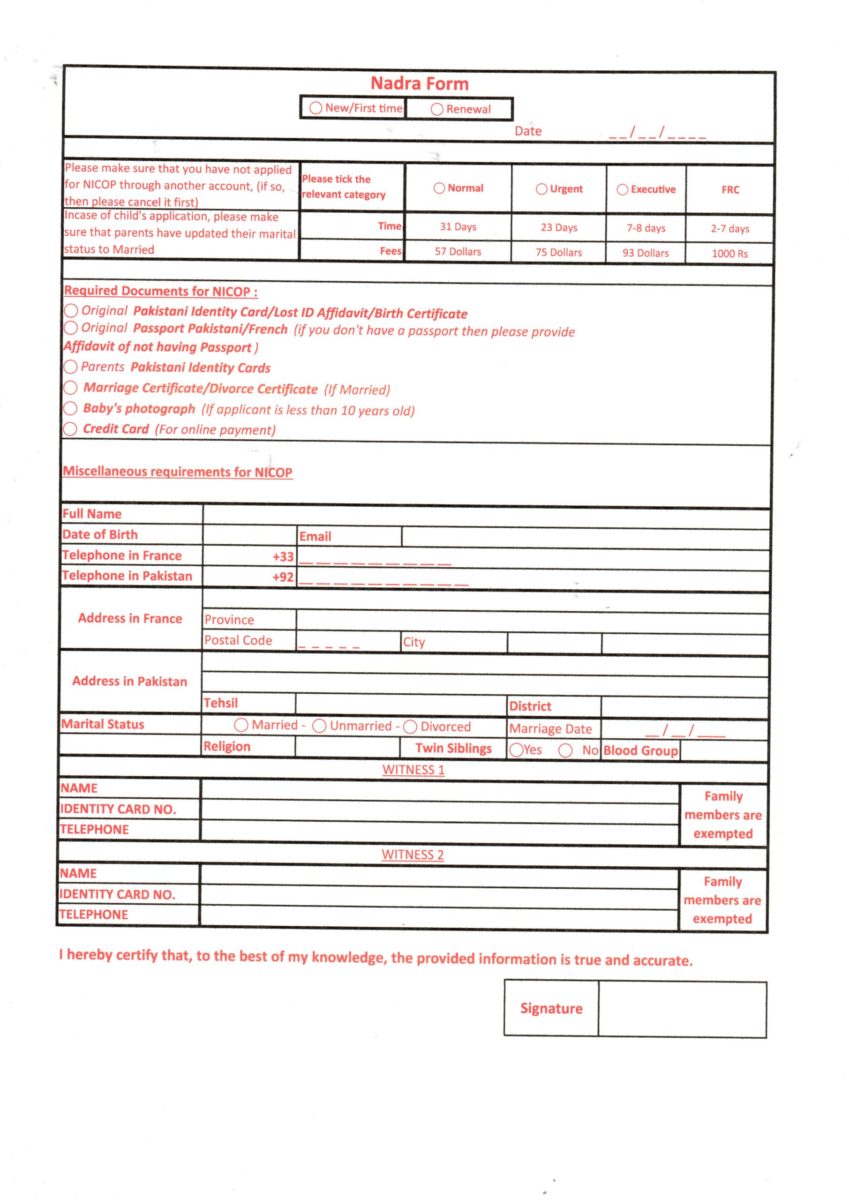
NoticeAll members of the community are informed that the as per new policy of NADRA, cancellation of NICOP can only be made online through NADRA website. the Embassy of Pakistan, Paris will not be sending any documents to NADRA FOR CANCELLATION
APPLY ONLINE
The Government of Pakistan is pleased to start online Identity application system for the members of community in France. The facility includes all types of Identity applications including new application, Modification, renewal and cancellation of duplicate status.
Here, you can apply online for your Pakistan ID Card/POC/FRC and have it delivered to your doorstep. It is our highest priority to make the application process more convenient and experience of using our online application portal as pleasant as possible. Please use the links below to get started.
All NGO/ INGO officials, staff and their family members are eligible to apply for this visa.
Required Documents
Photograph.
Passport.
Invitation letter by NGO/ INGO.
Proof of Registration of the NGO/ INGO.
[/vc_column_text][/vc_column][/vc_row]
Official Visa
[vc_row][vc_column][vc_column_text]Official Visa
Official Visa. Details are as under:-
Eligibility.
Foreign Nationals of all countries who are assigned to perform official duties in Pakistanare eligible to apply for this visa.
Required Documents
Photograph
Passport
Letter of recommendation (By Economic Affairs Division/ MoFA/ Respective Ministry or Department).
Note Verbal by the sending State/ Organization.
[/vc_column_text][/vc_column][/vc_row]
Online Power of Attorney
Online Power of Attorney
In addition to the manual attestation of Power of Attorney (POA) presently operational at the Embassy of Pakistan, Paris, an online attestation of POA has recently been launched for Overseas Pakistanis who wish to avail the same. This system has been developed by NADRA in collaboration with the Ministry of Foreign Affairs. Through this system, overseas Pakistanis can apply and obtain a POA from the convenience of their homes, without physically visiting the Embassy.
It is a secure service facilitating overseas Pakistanis, who wish to give POA to any person residing in Pakistan. This system is centrally managed by NADRA in Pakistan and those desirous of availing this facility can apply online at:https://poa.nadra.gov.pk
Note: Please note manual PoA is also operational and both systems (onsite and online) will run in parallel for now.
Eligibility and Pre-requisites
Before submitting an Online Power of Attorney (PoA) application, Applicant must meet the following criteria:
Details of Attorney and Witnesses
Applicant must be an Overseas Pakistani.
Valid Identity document of each Applicant including CNIC / NICOP / POC.
Valid Identity document of each Witness including CNIC / NICOP / POC.
Valid Identity document of the Attorney including CNIC / NICOP / POC.
Valid e-mail address
Contact Number and Mailing Address in the country of application (outside of Pakistan)
Biometrics of Applicant (Best 4 fingers)
Biometrics of 2x Witnesses (Best 4 fingers)
Credit Card / Debit Card to make online Fee Payment within the application
Actual Power of Attorney (scanned copy to be uploaded in the PoA system by Applicant)
Any other relevant documents (for example Affidavit, where applicable, to be uploaded in the PoA system by Applicant)
In case of a Foreigner, the Applicant is required to physically visit the concerned Pakistan Mission Abroad after having their documents attested from their country’s Ministry of Foreign Affairs.
As the home to six of the UNESCO World Heritage Sites including Moenjodaro, Rohats Fort and Shalimar Gardens, Pakistan gives great importance to its role in UNESCO. Pakistan is one of the leading contributor to the Multilateral engagements at UNESCO and other UN lead foras. The Permanent Delegation of Pakistan to UNESCO is actively engaged in Multilateral cooperation in the field of Education, Science, Culture and information.
Preparation of Feasibility for Establishment of Botanical Garden at Banigala, Islamabad
Ministry of Climate Change, Pakistan has announced the development of a Botanical Garden at Banigala, Islamabad, to be developed on an area of 725 acres for which the services of National/International consultant and consortium of consultants are required for ‘CONCEPTUAL DESIGN, MASTER PLANNING AND DETAILED DESIGN’.
The interested firms can download Request For Proposal (RFP) documents of the above assignment from the website of the Ministry of Climate Change (www.mocc.gov.pk) or PPRA website (www.ppra.org.pk).
[vc_row][vc_column][vc_column_text]Ms. Sajeela Naveed, is the Press Counsellor of Embassy of Pakistan, Paris. Her section deals with matters related to print, electronic and social media.
For more information, clarification or query please contact us at Line: 01 45 62 64 79 , and 01 45 62 23 32, select language and then Press 9 for operator. The operator will connect you to the concerned section. You can also reach us electronically on informationsectionparis@gmail.com[/vc_column_text][/vc_column][/vc_row]
Preventive Measures for Corona Virus (COVID 19)
PLEASE READ THE FOLLOWING CAREFULLY
Coronavirus spreads from person to person through small droplets from the nose or mouth which are spread when a person with COVID-19 coughs or exhales.
The most common symptoms of COVID-19 are fever, tiredness, and dry cough. Some patients may have aches and pains, nasal congestion, runny nose, sore throat or diarrhea.
Some people become infected but don’t develop any symptoms and don’t feel unwell. Most people (about 80%) recover from the disease without needing special treatment.
Around 1 out of evey 6 people who gets COVID-19 becomes seriously ill and develops difficulty breathing.
The people with medical problems like high blood pressure, heart problems or with diabetes, are more likely to develop serious illness People with fever, cough and difficulty breathing should seek medical attention.
INSTRUCTIONS FOR THE EMBASSY’S VISITORS
If you have fever, cough and difficulty in breathing, please avoid coming to the Consular Section.
Government of Pakistan is offering E-VISA facility. Applicants are advised to apply online Visa through this link https://visa.nadra.gov.pk/
In order to minimize exposure to public only the concerned person is requested to visit the Consular Section.
Upon reaching the Embassy all visitors are requested to wash their hands thoroughly. Disinfectant and warm water are available on site.
While staying at the Consular Section, visitors should avoid a close contact with other people.
GENERAL PREVENTIVE MEASURES
Avoid large gatherings and unnecessary physical contact.
Wash your hands frequently with soap and water / sanitizer. Thorough hand washing entails washing the back of the hands,between the fingers and under the nails.
Clean surfaces and things which are frequently used like door knobs, lift buttons, stair banisters, table tops, gadgets etc.
Cover your mouth while sneezing / coughing.
Don’t touch your face without thoroughly washing your hands with soap and water.
Avoid spitting in public places.
Dispose off used tissues immediately.
Don’t share food / utensils / towels.
Masks are recommended for people with flu or those taking care of them to avoid infecting others. Dispose off masks after maximum of 8 hours.
Contact a doctor in case of prolonged cough, fever and difficulty in breathing, especially if you have come in contact with someone who has recently travelled to abroad especially where Corona Virus cases are reported.
ROSHAN DIGITAL ACCOUNT INITIATIVE FOR NON-RESIDENT PAKISTANIS (NRPS)
A New Era of Banking in Pakistan:
The Roshan Digital Account is a major new initiative of the State Bank of Pakistan, in collaboration with commercial banks operating in Pakistan. This account provides innovative banking solutions for millions of Non-Resident Pakistanis (NRPs) seeking to undertake banking, payment and investment activities in Pakistan.
Fully Digital Account Opening and Operation:
For the first time in Pakistan’s history, NRPs are being provided an opportunity to remotely open an account in Pakistan through an entirely digital and online process without any need to visit a bank branch. Opening the account will require only a basic set of information and documents. Banks have been asked to complete all necessary customer due diligence within 48 hours.
Lifestyle Banking:
The Roshan Digital Account will integrate the Pakistani diaspora fully into the Pakistani banking and digital payments system:
– It will provide access to all conventional account services, including funds transfer, bill payments for their families, e-commerce and other payments in Pakistan.
– It will also enable investment in specially designed saving instruments for NRPs called Naya Pakistan certificates, which are being launched soon by Government of Pakistan. These instruments will be available in both US dollars and Pakistani rupees, at short- and long-term tenors, with attractive rates of return and in both conventional and Sharia-compliant forms.
– It will allow NRPs to invest in fixed deposit products offered by banks.
– It will enable NRPs to invest in Pakistan’s stock market.
– Going forward, it will also enable NRPs to undertake residential and commercial real estate related transactions in Pakistan.
– It will be backed by debit and virtual debit cards for both domestic and overseas use.
Accounts available in both Foreign Currency and Pakistani Rupees NRPs can choose either a foreign currency or rupee-denominated account, or both. They would be interoperable and enable real-time online conversion from foreign currency to Pakistani Rupees, and vice versa.
Full Repatriability Funds in the Roshan Digital Account will be fully repatriable
they can be remitted back from Pakistan without any regulatory approval.
Sikh citizens of foreign countries can apply for Pilgrims visa. Details are as under:-
Eligibility
Sikh foreign nationals of Indian origin
Sikh Indian nationals but having legal residence permit of France (having valid Carte de Séjour)
The spouses and children of the applicants in the above mentioned categories
Required Documents
Photograph
Passport
Sponsorship Letter by Sikh Gurdwara in Pakistan
Sponsorship Letter by Sikh Gurdwara in France
Copy of French carte de séjour / resident permit
Livret de famille (family book) in case spouse / kids wish to apply
Simplification of Procedure for Issuance of the Letters of Administration/Succession Certificates
Upon death of any family member, legal heirs languish in courts for years before they are able to obtain Letters of Administration (for immovable properties) and Succession Certificates (for moveable properties. Now without going to the Courts, the legal heirs can obtain Letters of Administration or Succession Certificates, as the case may be, through a quick five stage process facilitated by Succession Facilitation Units operated by the National Database Registration Authority. Presently, one Facilitation Unit is operative in Islamabad dealing with properties/assets in the Islamabad Capital Territory (ICT) only. Shortly, NADRA will establish many more Succession Facilitation Units in other cities in Pakistan.
The applicants have to submit a simple application form after which NADRA will issue public notice in leading local newspapers and on its website. Where no objections are received within fourteen days, the legal heirs whether in Pakistan or abroad (London, Manchester, Birmingham, Bradford, Jeddah, Riyadh, Medina, Dubai, Abu Dhabi, Doha) can visit their local NADRA Office in Pakistan or the Pakistan Missions abroad, as the case may be, in the above mentioned Cities and conduct biometric verification. Once verification of the legal heirs is complete through biometrics, Succession Certificate or Letter of Administration will be issued in Applicant’s favour. Apart from the abovementioned cities, the Government at the earliest is creating biometric verification centers in many other cities of the world.
Procedure for applying the Letters of Administration/Succession Certificates is as follows:
Step-1
Application Initiation: The applicant will provide his/her National Identity number, deceased person’s death certificate and National Identity Card number. Along with the application, the applicant shall submit letter of authorization from the legal heirs to file application on their behalf.
Step-2
Legal Heirs and Assets Details: The applicant will provide the relevant details of legal heirs, and information pertaining to the moveable and immovable assets of the deceased.
Step-3
Verification and Consent of Legal Heirs: All legal heirs mentioned by the applicant will visit NADRA’s Registration Centre for biometric verifications and details provided by applicant will be verified.
Step-4
Advertisement in Newspaper: NADRA will publish the notice to the public at large for ascertaining if there are any objections on the particular application.
Step-5
Printing and Delivery of Certificate: If there no objections after 14 days of publication of the notice, the Succession Certificate/Letter of Administration will be printed and given to the applicant.
VERY SOON NADRA SHALL INTRODUCE THE FACILITY OF FILING
ONLINE APPLICATIONS AND PROVIDE ONLINE BIOMETRIC VERIFICATIONS
PLEASE LOOK OUT FOR NEW ANNOUNCEMENTS
****
Sohni Dharti Remittance Program (SDRP)
Embassy of Pakistan
Paris
****
The Government of Pakistan under the leadership of Prime Minister Imran Khan has inaugurated the Sohni Dharti Remittance Program (SDRP) on 25 November 2021. This joint venture program is specially designed for Pakistani workers abroad to send remittances to Pakistan through banks and exchange companies while earning reward points. These reward points can then be used to avail different benefits offered by partner organizations.
For the first time ever, remitters and beneficiaries will now get rewards for every remittance sent home
Sohni Dharti Remittance Program (SDRP) is a point-based loyalty scheme for our remitters who work abroad and send money to their loved ones in Pakistan through banking channels or exchange companies.
It is a unique and first-ever smartphone application available in English and Urdu language that tracks and updates every remittance a remitter sends home and awards remitters with reward points, which can be redeemed for free of cost services at multiple Public Service Entities.
Earn reward points on every remittance you send!
Remitters will earn reward points based on a certain percentage of every remittance one sends. There are three rewarding tiers:
Green
Gold
Platinum
Reward points will be given to remitters based on the following tier criteria:
Category
Annual Remittance Amount (in 1 year)
Reward Points Earning (% of Remittance Amount)
Category
Annual Remittance Amount (in 1 year)
Reward Points Earning (% of Remittance Amount)
Green
Up to USD 10,000
1.00%
Gold
From USD 10,001 to USD 30,000
1.25%
Platinum
More than USD 30,000
1.50%
Fiscal Year July to June
Equal PKR amount of remittance
Every remittance can upgrade the remitter category level and earn them more reward points.
Reward points appear on the app in the form of a virtual card that updates automatically with reward points after each remittance.
Download and Register
Visit the Google Play Store (for Android Smartphones) or App Store (for iOs Smartphones) and download the app.
On the welcome screen, enter your full name, CNIC number, Passport number and current place of residence.
Sponsorship Scheme of Hajj for Overseas Pakistanis
Pakistani community members are encouraged to avail Govt’s Sponsorship Scheme of Hajj for Overseas Pakistanis. It also allows them to sponsor relatives for selection without balloting. Government of Pakistan has extended the deadline of Sponsorship Scheme of Hajj for Overseas Pakistanis till 7th April 2023 so that maximum number of people can benefit from it.
Muslim citizens of foreign countries who wish to participate in Tabligh activities can apply for this visa. Details are as under:-
Eligibility.
Muslim citizens of France or third country nationals (having valid French Visa / Carte de Séjour) are eligible to apply for this visa.
Required Documents
Photograph
Passport
Invitation letter by the authorized Tableeghi Centre.
[/vc_column_text][/vc_column][/vc_row]
Technical Attaché (Air) Section
This Section extends requisite technical support to Pakistan Air Force (PAF) and Pakistan Aeronautical Complex (PAC), Kamra.
For more information, clarification or query please contact us at
Line: 01 45 62 64 90 , and 01 45 62 23 32, select language and then Press 9 for operator. The operator will connect you to the concerned section.
We can also be contacted electronically on taa@pakembparis.com
Ambassador of Pakistan to France Permanent Delegate to UNESCO
H.E Mr. Asim Iftikhar Ahmad
A Pakistani career diplomat, Asim Iftikhar Ahmad was until recently Additional Secretary for UN and Diplomatic Economy and Spokesperson of the Ministry of Foreign Affairs. Before this, he had served as Ambassador of Pakistan to the Kingdom of Thailand and Permanent Representative to the UN Economic and Social Commission for Asia and the Pacific (UNESCAP). Having joined Foreign Service of Pakistan in 1993, he has held various positions at the Ministry of Foreign Affairs and in Pakistan Missions abroad:
March 2022-November 2022: Additional Secretary for UN and Economic Diplomacy
August 2021-November 2022: Spokesperson of the Ministry of Foreign Affairs
August 2021-March 2022: Additional Secretary for Asia Pacific
June 2017-July 2021: Ambassador of Pakistan to the Royal Kingdom of Thailand
July 2014 to June 2017: Director General (United Nations), Ministry of Foreign Affairs, Islamabad
January 2012-July 2014: Minister/Political Coordinator (UN Security Council), Permanent Mission of Pakistan to the United Nations, New York
October 2010-December 2011: Director (Security Council & Human Rights), United Nations Division, Ministry of Foreign Affairs, Islamabad
September 2009-September 2010: Deputy Chef de Cabinet of the President of the Sixty-Fourth Session of the UN General Assembly, New York
August-September 2009: Director, Ministry of Foreign Affairs
January 2003-August 2009: Counsellor, Permanent Mission of Pakistan to the United Nations, New York
March-November 2002: Section Officer, UN Division, Ministry of Foreign Affairs April 2000-February 2002: Section Officer, Personnel Division, Ministry of Foreign Affairs, Islamabad
March 1997-March 2000: Second Secretary/Cd’A a.i. Embassy of Pakistan, Niamey, Niger
December 1996-February 1997: Section Officer, Africa Division, Ministry of Foreign Affairs, Islamabad
February 1995-February 1996: Section Officer, Europe Division, Ministry of Foreign Affairs, Islamabad
As Director General (UN) at the Ministry of Foreign Affairs, he oversaw UN related work at Pakistan’s Missions in New York, Geneva, Rome, Vienna and Nairobi, besides the work of the UN system in Pakistan. His experience in New York included responsibilities for political, peace and security and reform issues, acting as the focal point for the Security Council, reform of the Security Council, political issues in the General Assembly, Special Political and Decolonization (4th) Committee, conflict prevention, peacekeeping and peace-building issues.
Asim was member of Pakistan delegation to the Security Council in 2003-2004 and again in 2012-2013 when he also served as the Political Coordinator of the Pakistan Team. He represented Pakistan in the Mission of the Security Council to West Africa (June-July 2003), Mission of the Security Council Sanctions Committee concerning Somalia (November 2003), Extraordinary Meeting of the Security Council held in Nairobi, Kenya on Sudan and Somalia (November 2004), and the Security Council Mission to the Great Lakes Region in October 2013. He has been member of Pakistan delegation to the UN Peacebuilding Commission. He has represented Pakistan at the UN Human Rights Council, and the review of Pakistan’s reports to the Committee on the Rights of the Child (CRC), and the Committee Against Torture (CAT). He has the distinction of representing Pakistan at the UN General Assembly’s Annual Sessions from 2003-2008 & 2011-2016.
Asim has represented Pakistan in major conferences including the OIC Summit in Dakar (March 2008) and the African Union Summits in Abuja (January 2005), Addis Ababa (January 2007), Accra (July 2007), Addis Ababa (January 2008), Sharm-el-Sheikh (July 2008), Sirte (July 2009), and Malabo (July 2011), NAM Ministerial Meeting (Algiers, May 2014), the 60th Anniversary of the Asian-African (Bandung) Conference in April 2015, Paris Climate Change Conference (COP-21, November-December 2015), OIC Foreign Ministers Meeting (Abidjan, July 2017), the Asia Europe Meeting (ASEM), and the ASEAN Regional Forum (ARF) meetings.
Asim is a graduate of the University of Engineering and Technology, Lahore (1991, B-Sc. Electrical Engineering, Gold Medal), and the University of the Punjab, Lahore (1988, Bachelor of Arts, Gold Medal). He attended the 21st Common Training Programme, Civil Services Academy, Lahore (November 1993-June 1994, awarded Best Sportsman), and the 14th Specialized Training Programme, Foreign Service Academy, Islamabad (July 1994- January 1995, awarded Best Probationer). He attended 13th Senior Management Course at National Management College, Lahore from March-August 2013 and 109th National Management Course from August-December 2018.
Born on 27 November 1966 in Lahore, Asim is married to Asma, and they have three daughters. He speaks French, and likes to play golf, tennis, snooker and cricket.
***
The Foreign Secretary
FOREIGN SECRETARY OF PAKISTAN
Ambassador Amna Baloch assumed the charge as the 33rd Foreign Secretary of Pakistan on 11 September 2024.
Ambassador Baloch’s last appointment was as the Ambassador of Pakistan to Belgium, Luxembourg and the European Union from May 2023 to September 2024. Prior to that, she served as the High Commissioner of Pakistan to Malaysia from 2019 to 2023 and Consul General at Chengdu, China (2014-2017). Her other diplomatic assignments include: Copenhagen, Denmark (2001-2003); Colombo, Sri Lanka (2011-2014);
Ambassador Baloch joined the Ministry of Foreign Affairs in 1991. At the Ministry’s Headquarters, she served in various roles in political, administrative and protocol divisions. She has held important positions at the Prime Minister’s Office and served as Additional Secretary at the Foreign Minister’s office from 2018-2019.
Ambassador Baloch holds a Master’s degree in History from Quaid-e-Azam University and MBA from Nanyang Technological University, Singapore.
Hina Rabbani Khar is currently serving as Minister of State for Foreign Affairs. She started public service in 2002, directly elected from Muzzafargarh, since then she has been elected for Parliament in 2008 and 2013 both from Pakistan People Party’s platform.
She has served as Foreign Minister of Pakistan from 2011 to 2013, Minister of State for Finance from 2008 to 2011 and Minister of State for Economic Affairs from 2003-2007.
Her term as Foreign Minister is best remembered for the ‘Regional Pivot’ to Pakistan’s foreign policy, where she concentrated on building ties with Pakistan’s immediate neighbours. This included the normalization of trade relations with India, a policy of reaching out to all political parties and ethnicities in Afghanistan. Her tenure in Finance & Economic Affairs led Pakistan’s bilateral and multilateral economic diplomacy.
Hina Rabbani Khar graduated from the prestigious Lahore University of Management and Sciences with a BSC in Economics and later went on to do her Masters in Management from University of Massachusetts at Amherst.
Asif Ali Zardari, The President of the Islamic Republic of Pakistan
Mr Asif Ali Zardari is the 14th President of the Islamic Republic of Pakistan and was sworn in office on the 10th of March 2024. He is the first President to have been elected twice to this office. Previously, he served as the 11th President of Pakistan from 9th September 2008 to 9th September 2013.
The Prime Minister
Mr. Mian Muhammad Shehbaz Sharif Prime Minister of the Islamic Republic of Pakistan
Eligibility. To avail this Visa facility, you must be a citizen of France & Monaco. Third country nationals living in France, included in this list here (Click here) are also eligible to apply for a tourist visa.
Required Documents
Photograph.
Passport.
Invitation Letter from the sponsor or hotel booking details in case of individual tourist.
Invitation Letter in case of group by the Tour Operator designated by the department of tourist services.
For Third Country nationals, submission of the valid French Visa and Carte de Séjour in France is mandatory.
[/vc_column_text][/vc_column][/vc_row]
Tourist Visa on Arrival
[vc_row][vc_column][vc_column_text]Tourist Visa on Arrival
Tourist Visa (On Arrival). Details are as under:-
Eligibility
(Click here) to check eligible to apply for a tourist visa on arrival.
Foreign nationals of Indian origin (included on tourist friendly list) are also eligible to apply under this category for religious tourism purposes.
Tour Operators approved by the Pakistan Directorate of Tourist Services (DTS) may be allowed to bring Tourist Groups under this category.
Required Documents
Photograph.
Passport.
Invitation Letter from the sponsor or hotel booking details in case of individual tourist.
Invitation Letter in case of group by the Tour Operator designated by the department of tourist services.
Between 8500 and 7000 BCE, at the time of the Champlain Sea, Native Americans inhabited and hunted in present-day Vermont. During the Archaic period, from the 8th millennium BCE to 1000 BCE, Native Americans migrated year-round. During the Woodland period, from 1000 BCE to 1600 CE, villages and trade networks were established, and ceramic and bow and arrow technology was developed. In the western part of the state there lived a small population of Algonquian-speaking tribes, including the Mohican and Abenaki peoples. Sometime between 1500 and 1600 CE, the Iroquois, based in present-day New York, drove many of the smaller native tribes out of Vermont, later using the area as a hunting ground and warring with the remaining Abenaki. The population in 1500 CE was estimated to be around 10,000 people.
Colonial
The first European to see Vermont is thought to have been Jacques Cartier in 1535. On July 30, 1609, French explorer Samuel de Champlain claimed Vermont as part of New France. In 1666, French settlers erected Fort Lamotte, the first European settlement in Vermont.
In 1638, a “violent” earthquake was felt throughout New England, centered in the St. Lawrence Valley. This was the first seismic event noted in Vermont.
In 1690, a group of Dutch-British settlers from Albany established a settlement and trading post at Chimney Point 8 miles (13 km) west of present-day Addison.
During Dummer’s War, the first permanent British settlement was established in 1724, with the construction of Fort Dummer. It was to protect the nearby settlements of Dummerston and Brattleboro.[/vc_column_text]
From 1731 to 1734
Through the 1763
On March 20, 1764
From 1731 to 1734, the French constructed Fort St. Frédéric, which gave the French control of the New France/Vermont frontier region in the Lake Champlain Valley. With the outbreak of the French and Indian War in 1754, the North American front of the Seven Years’ War between the French and English, the French began construction of Fort Carillon at present-day Ticonderoga, New York in 1755. The British failed to take Fort St. Frédéric or Fort Carillon between 1755 and 1758. In 1759, a combined force of 12,000 British regular and provincial troops under Sir Jeffery Amherst captured Carillon, after which the French abandoned Fort St. Frédéric. Amherst constructed Fort Crown Point next to the remains of the Fort St. Frédéric, securing British control over the area.
Following France’s loss in the French and Indian War, through the 1763 Treaty of Paris they ceded control of the land to the British. Colonial settlement was limited by the Crown to lands east of the Appalachians, in order to try to end encroachment on Native American lands. The territory of Vermont was divided nearly in half in a jagged line running from Fort William Henry in Lake George diagonally north-eastward to Lake Memphremagog. With the end of the war, new settlers arrived in Vermont. Ultimately, Massachusetts, New Hampshire and New York all claimed this frontier area.
On March 20, 1764, King George III established the boundary between New Hampshire and New York along the west bank of the Connecticut River, north of Massachusetts, and south of 45 degrees north latitude. In 1770, Ethan Allen, his brothers Ira and Levi, and Seth Warner, recruited an informal militia known as the Green Mountain Boys to protect the interests of the original New Hampshire settlers against newcomers from New York.
One of the first organized efforts to unite the community churches of America began in the early 1920s. Orvis Jordan of Park Ridge Community Church became the secretary of the Community Church Workers of the United States (CCW-US) and its first newsletter editor. Jordan was later named the group’s first president.
An art museum or art gallery is a building or space for the exhibition of art, usually visual art. Museums can be public or private, but what distinguishes a museum is the ownership of a collection. Paintings are the most commonly displayed art objects; however, sculpture, decorative arts, furniture, textiles, costume, drawings, pastels, watercolors, collages, prints, artists’ books, photographs, and installation art are also regularly shown. Although primarily concerned with providing a space to show works of visual art, art galleries are sometimes used to host other artistic activities, such as performance art, music concerts, or poetry readings.
A general store, general merchandise store, general dealer or village shop is a rural or small town store that carries a general line of merchandise. It carries a broad selection of merchandise, sometimes in a small space, where people from the town and surrounding rural areas come to purchase all their general goods. The store carries routine stock and obtains special orders from warehouses. It differs from a convenience store or corner shop in that it will be the main shop for the community rather than a convenient supplement.
Stowe is host to arts and crafts shows, a balloon festival, and many other special events. The weekend-long British Invasion event is held annually in Stowe during the third week of September. The Stowe Theater Guild, along with Hyde Park Opera House, and the Waterbury Festival Players, combine to offer theatrical productions each summer.
Inns are generally establishments or buildings where travelers can seek lodging and, usually, food and drink. They are typically located in the country or along a highway.
PLEASE NOTE : All Visa applications are being processed online Only at the following web address: www.visa.nadra.gov.pk
The Embassy of Pakistan, Paris does not have any COLLABORATION with any website / visa agency.
Beware that the Government of Pakistan / Embassy of Pakistan, Paris does not take responsibility of any payment made to such service providers / agencies.
*****
Discontinuation of Issuance of Manual Visas
The Government of Pakistan has stopped issuance of manual Visas w.e.f 1st January 2021. All Visa applications now will be processed online at the following web address: https://visa.nadra.gov.pk.
Manual Visa applications will no longer be entertained at the Embassy of Pakistan from 1st February 2021.
——————————————————————–
Applicants are requested to apply for Pakistan Visa ONLY through the following website https://visa.nadra.gov.pk. Please note that there is no official website other than the mentioned above.
Government of Pakistan does not take responsibility of any misuse of provided data or any loss of payment made on any other website for Pakistani Visa.
Visa Instructions for all categories
Duly filled visa application form
Original passport and photocopy of passport (Main page)
Two photographs
Business Visa
Letter of Invitation from Pakistan
Letter of attestation of the enterprise in France
Copy of Reservation of Hotel / Air Ticket
Tourist Visa
Letter from Tourist Agency in Pakistan or France
Copy of Reservation of Hotel in Pakistan
Copy of Reservation of Air Ticket
Family Visa (French Nationals of Pakistan Origin)
Pakistani Passport or CNIC / NICOP National Identity Card
Photocopy of Family Book or Birth Certificate (for children)
Any applicant may be asked to appear before Head of Consular Section for interview. Moreover, justification of domicile and copy of resident card in France will be required. The families of French officials working in Pakistan will require official invitation letter, along with the photocopy of passport, copy of resident card and bank statement.
NGO’S Visa
Approval of the concerned authority in Pakistan.
Letter of recommendation from the NGO.
Letter of Invitation/Recommendation from Pakistan.
Photocopy of Passport / Carte de séjour.
Journalist visa
Journalist Visa is issued for different Cities in Pakistan after authorization from Ministry of Information and Broadcasting. For more information please contact the Consular of the Embassy during working hours.
Sikh Pilgrims Visa
Sikh citizens of foreign countries can apply for Pilgrims visa. Details are as under:-
Sikh foreign nationals of Indian origin
Sikh Indian nationals but having legal residence permit of France (having valid Carte de Séjour)
The spouses and children of the applicants in the above mentioned categories.
Sponsorship Letter by Sikh Gurdwara in Pakistan & France
Copy of French carte de séjour / resident permit
Livret de famille (family book) in case spouse / kids wish to apply
Visa for Afghan nationals and refugees
Invitation letter from Pakistan (Original)
ID card of the inviting person
Bank statements (Previous 3 months)
Copy of air ticket reservation
Travel itinerary
Work visa
Work visa is granted to professionals in the different fields after clearance by relevant authorities in Pakistan.
Courier Services
Apart from the walk-in Applicants the Embassy accepts Visa applications through Courier Companies as well. Applications for Visa may be completed (after carefully reading the requirements on Embassy’s Website) and sent through one of the following Courier Services.
Allo Visa- VSI 02 Place des hauts Tillier 92230 Gennevilliers Tel: 0180035122
Legal Office 78 av des champs elysees, 75008 Paris Tel: 0142563232
123 Visas 317-325 rue de la Garenne 92000 Nanterre Tel: 0149070569
Visa en Line 4 Rue Villebois-Mareuil, 75017 Paris Tel: 0173039803
Jet Diffusion Visa France 10 rue Dautancourt, 75017 Paris Tel: 0142660576
Visa 24 59 rue Ponthieu, 75008 Paris Tel: 0153891015
SAS KENZA 27 Avenue de chanzy 93320 Les Pavillons sous Bois Tel: 0652840466
E-Visas Groupe Visa France 26 Rue Saint Charles, 75015 Paris Tel: 0142466899
Visa Chrono 3 rue Richard Lenoir, 75011 Paris Tel: 0140090004
Visa Fee (Euros)
Type of Visa
Normal Processing
Urgent (Same Day)
Single
Double
Single Multiple
Family/Tourist/Visit
32€
48€
64€ 128€
Single
Multiple
Single
Multiple
Business/Work
92€
136€
184€
272€
French Commercial Document’s Legalization
of French Ministry of Foreign Affairs
40€
Visa on Arrival
Discontinuation of Issuance of Manual Visas
The Government of Pakistan has stopped issuance of manual Visas w.e.f 1st January 2021. All Visa applications now will be processed online at the following web address: https://visa.nadra.gov.pk
Manual Visa applications will no longer be entertained at the Embassy of Pakistan from 1st February 2021.
Applicants are requested to apply for Pakistan Visa ONLY through the following website https://visa.nadra.gov.pk. Please note that there is no official website other than the mentioned above.
Government of Pakistan does not take responsibility of any misuse of provided data or any loss of payment made on any other website for Pakistani Visa.
[vc_row][vc_column][vc_column_text]
Visa on Arrival
Government of Pakistan has launched Visa on Arrival facility in the following categories.
Residents of France & Manaco are provided with consular services at the Embassy of Pakistan Paris.
PAKISTAN ONLINE VISA SYSTEM (VISA PROCESSING INSTRUCTIONS)
General Visa Instructions.
Applicants are advised to carefully read the following visa processing instructions (common to all categories of Visas), this will ensure smooth and speedy processing of Visas on Arrival:-
The list of countries eligible for Visa on Arrival Tourist (Click here) & Business categories (Click here)
Minimum 6 months valid passportis required for the visa processing.
Applicant’s physical presence in France is must for issuance of visa.
Applicants are advised to upload only original supporting documents for processing of visa applications (no faxed, photo copied or emailed documents will be accepted).
Fresh visa of Pakistan will only be issued on the expiry of previous visa.
Host individuals/ companies to certify in invitation letters, that they will be responsible for applicants(in all respect) during their stay in Pakistan.
For Third country nationals, submission of the valid French Visa and Carte de Sejour in France is mandatory.
Nationals of Third Countries visiting France (as visitors, businessman and tourists) are advised to apply visa at the Pakistan Embassies in their country of residence or the Pakistani Embassy currently accredited to their country.
⇒For questions and/ or complaints, you can approach Visa Counselor at the Embassy of Pakistan in Paris (parepparis@mofa.gov.pk).
[/vc_column_text][/vc_column][/vc_row]
Voting for overseas Pakistanis in by-elections
Election Commission of Pakistan is conducting overseas voting through Internet Voting Process in the upcoming by-elections in 37 constituencies of Pakistan, to be held on 14th October 2018. All overseas voters belonging to these constituencies may register themselves between 1-15 September 2018 online at https://www.ecp.gov.pk or https://www.overseasvoting.gov.pk to cast their votes. The constituencies are as follows:
National Assembly of Pakistan
Provincial Assembly of Punjab
1
NA-35 Bannu
1
PP-3 Attock-III
2
NA-53 Islamabad-II
2
PP-27 Jhelum-III
3
NA-56 Attock-II
3
PP-87 Mianwali-III
4
NA-60 Rawalpindi-IV
4
PP-103 Faisalabad-VII
5
NA-63 Rawalpindi-VII
5
PP-118 T.T. Singh-I
6
NA-65 Rawalpindi-VII
6
PP-164 Lahore-XXI
7
NA-69 Gujrat-II
7
PP-165 Lahore-XXII
8
NA-103 Faisalabad-III
8
PP-201 Sahiwal-VI
9
NA-124 Lahore-II
9
PP-222 Multan-XII
10
NA-131 Lahore-IX
10
PP-272 Muzaffargar-V
11
NA-243 Karachi East-II
11
PP-272 Muzaffargarh-V
Provincial assembly of Khyber Pakhtunkhwa
12
PP-292 D.G. Khan-VIII
1
PK-3 Swat-II
13
PP-297 Rajanpur-IV
2
PK-7 Swat-VI
3
PK-44 Swabi-II
Provincial assembly of Sindh
4
PK-53 Mardan-VI
1
PS-87 Malir-I
5
PK-61 Nowshera-I
2
PS-30 Khairpur-V
6
PK-64 Nowshera-IV
Provincial assembly of Balochistan
7
PK-78 Peshawar-XIII
1
PB-35 Mastung
8
PK-97 D.I.Khan-III
2
PB-40 Khuzdar-II
9
PK-99 D.I.Khan-V
Work Visa
[vc_row][vc_column][vc_column_text]Work Visa
Work Visa. Details are as under:-
Eligibility.
French Citizen who have a valid job offer and meet the requirements are eligible to apply for this Visa.
Required Documents
Photograph & Passport.
For Third Country nationals, submission of the valid French Visa and Carte de Séjour in France is mandatory.
Contact Details of the Sponsor.
Recommendation Letter from BOI.
Employment agreement between company and applicant.
Undertaking on company letter head, in case of CPEC/ Government approved project. Letter from concerned Pakistani department/ ministry.
CV of applicant.
Covering letter on company’s letter head.
Company profile.
SECP registration letter of company.
FBR NTN certificate of the company.
Previous Recommendation by BOI/ MOI (if applicable).
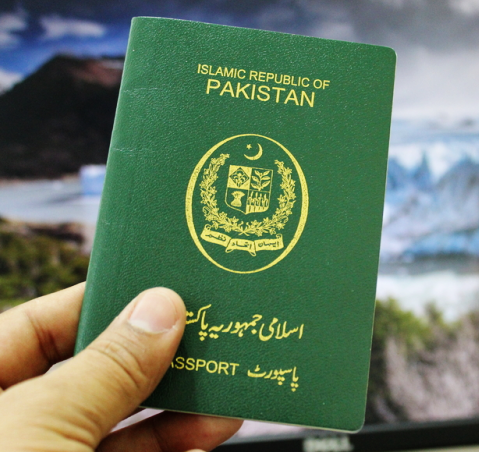
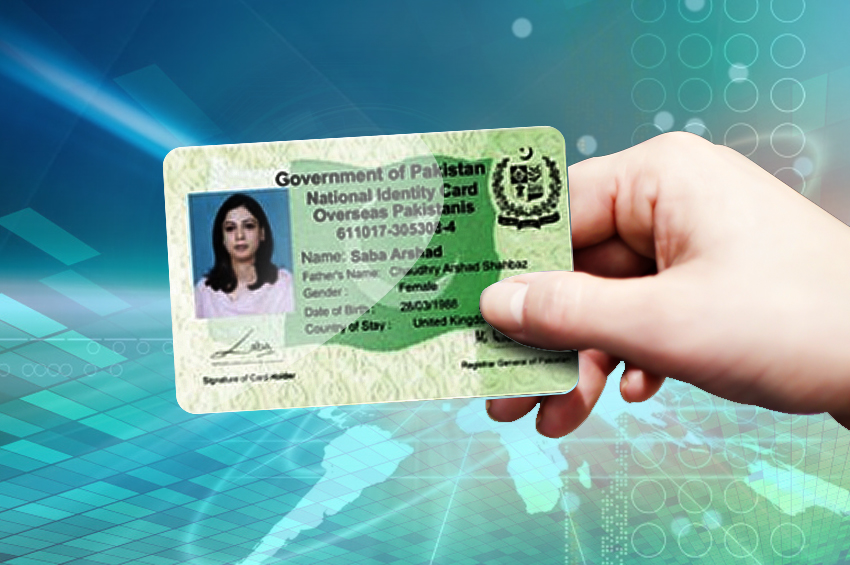

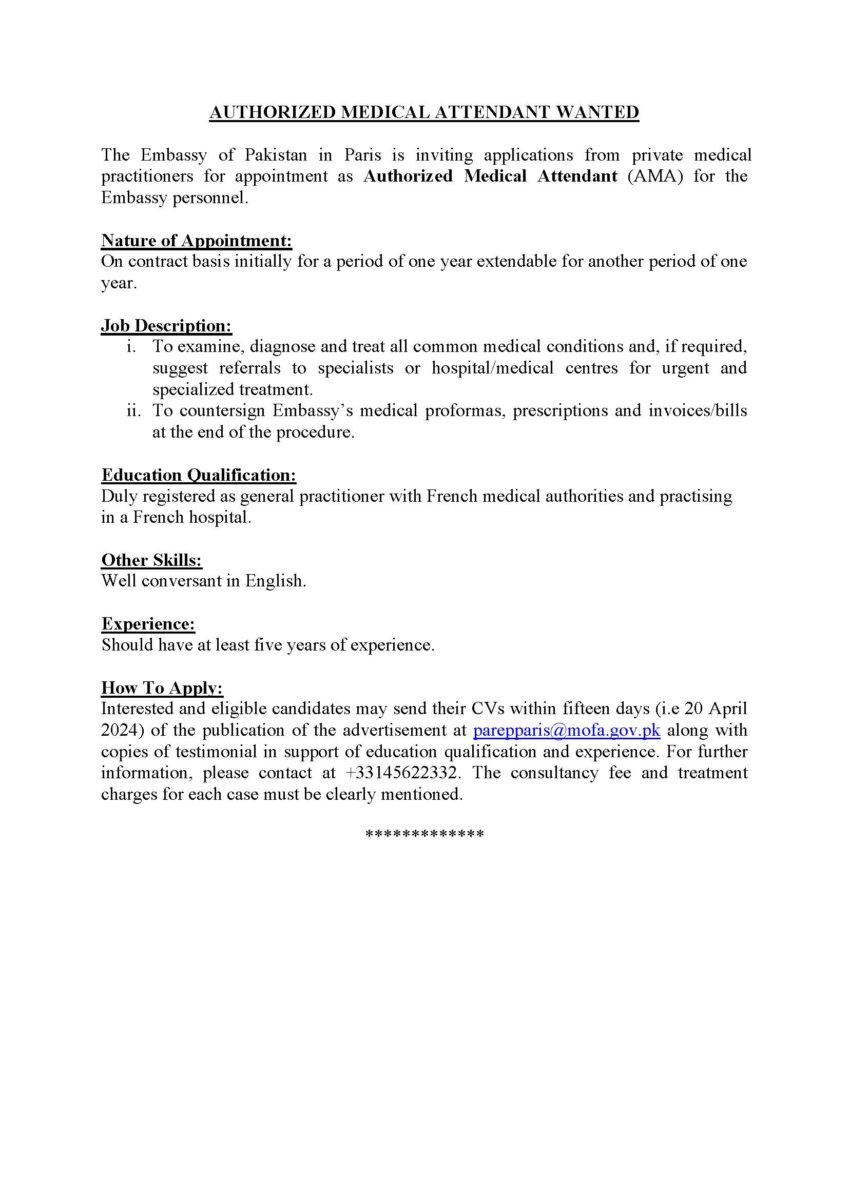

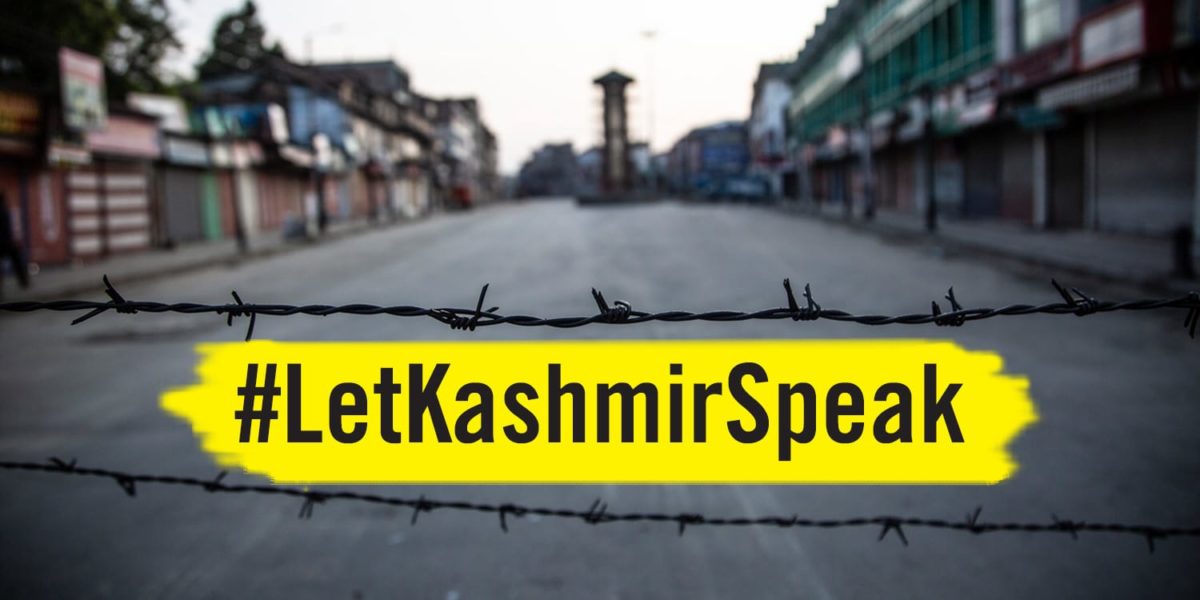
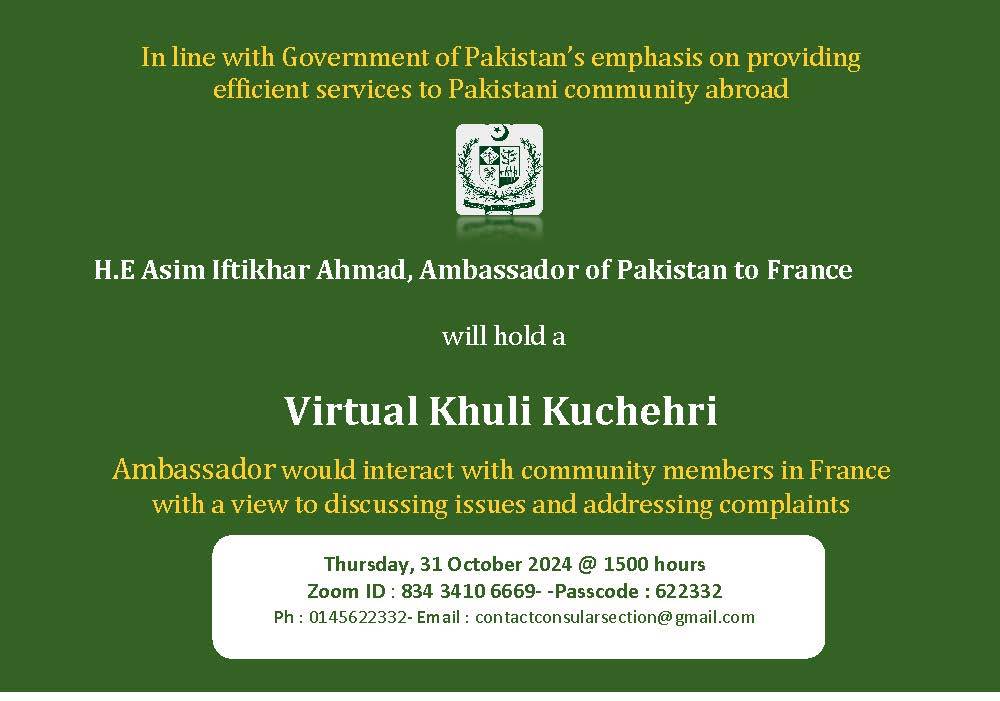
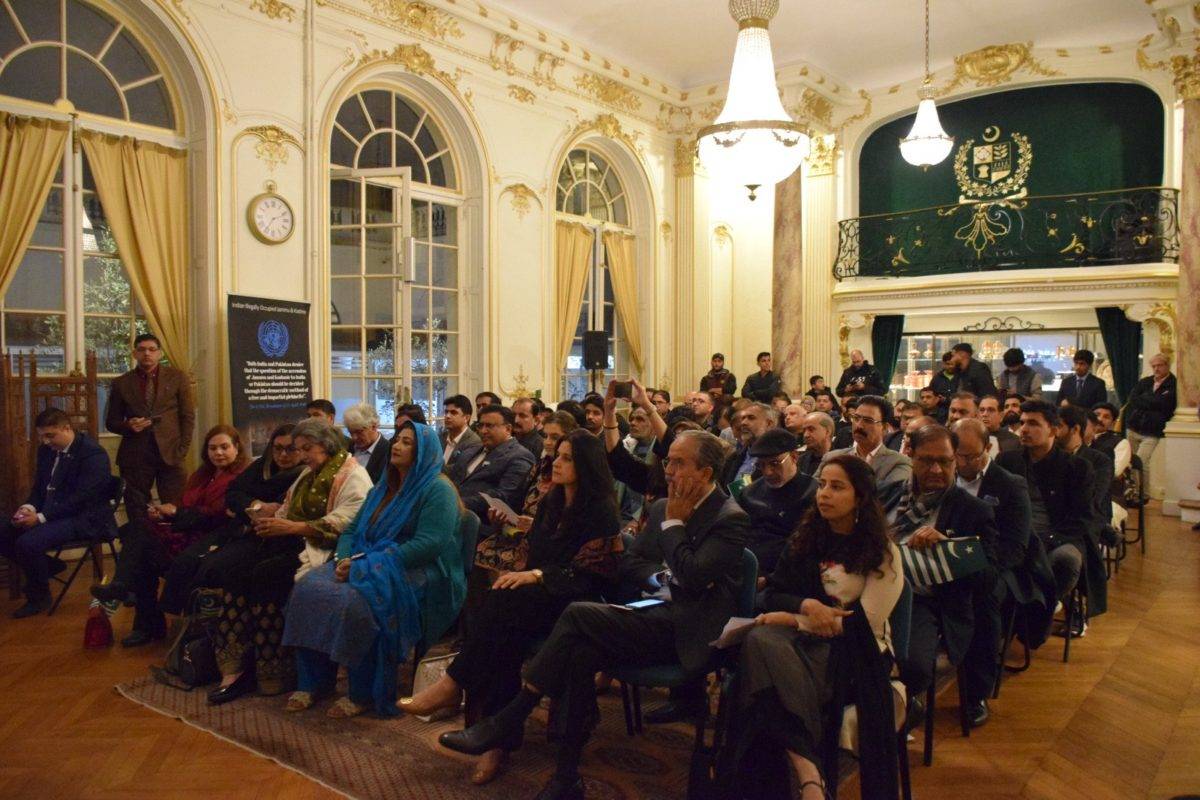

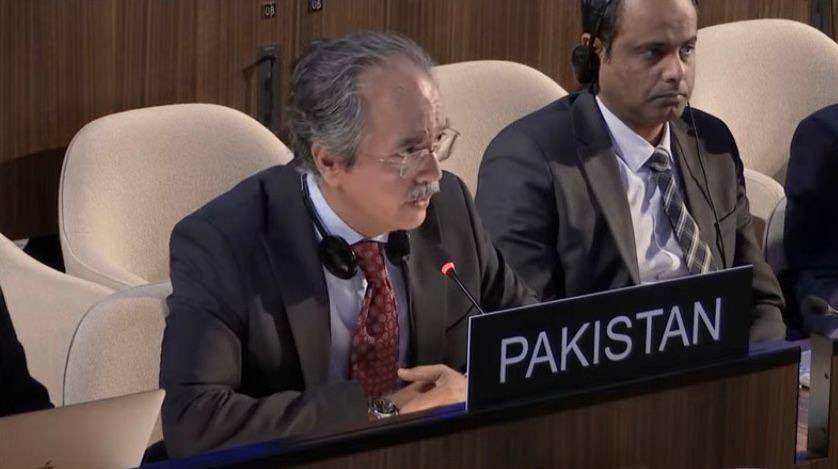
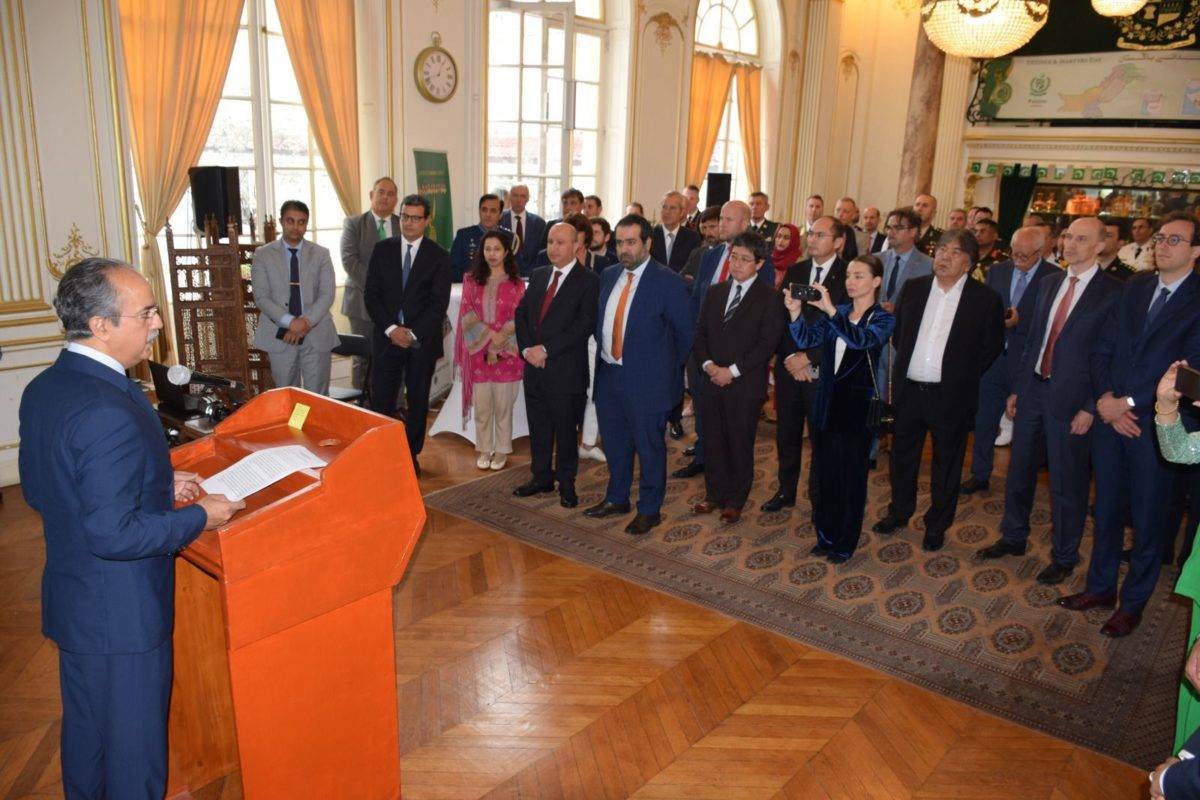
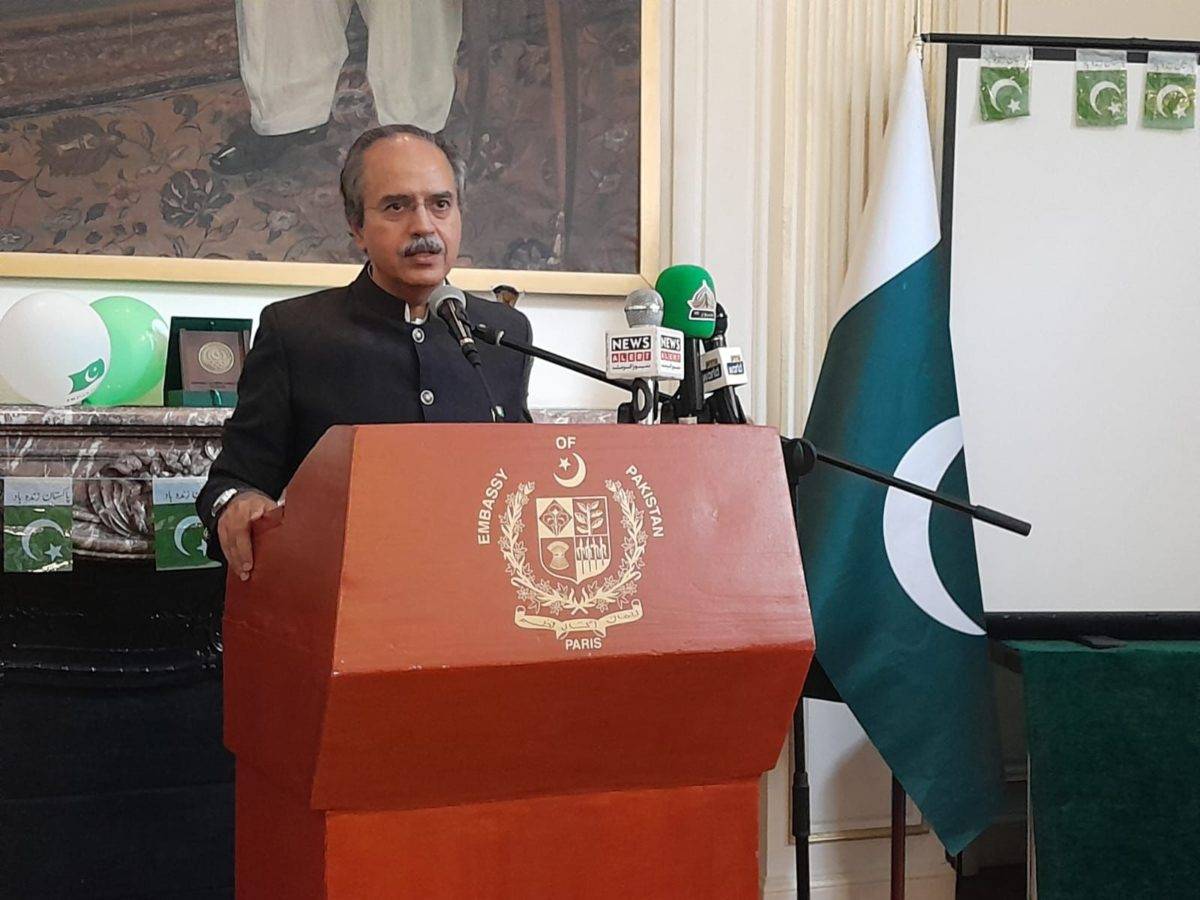
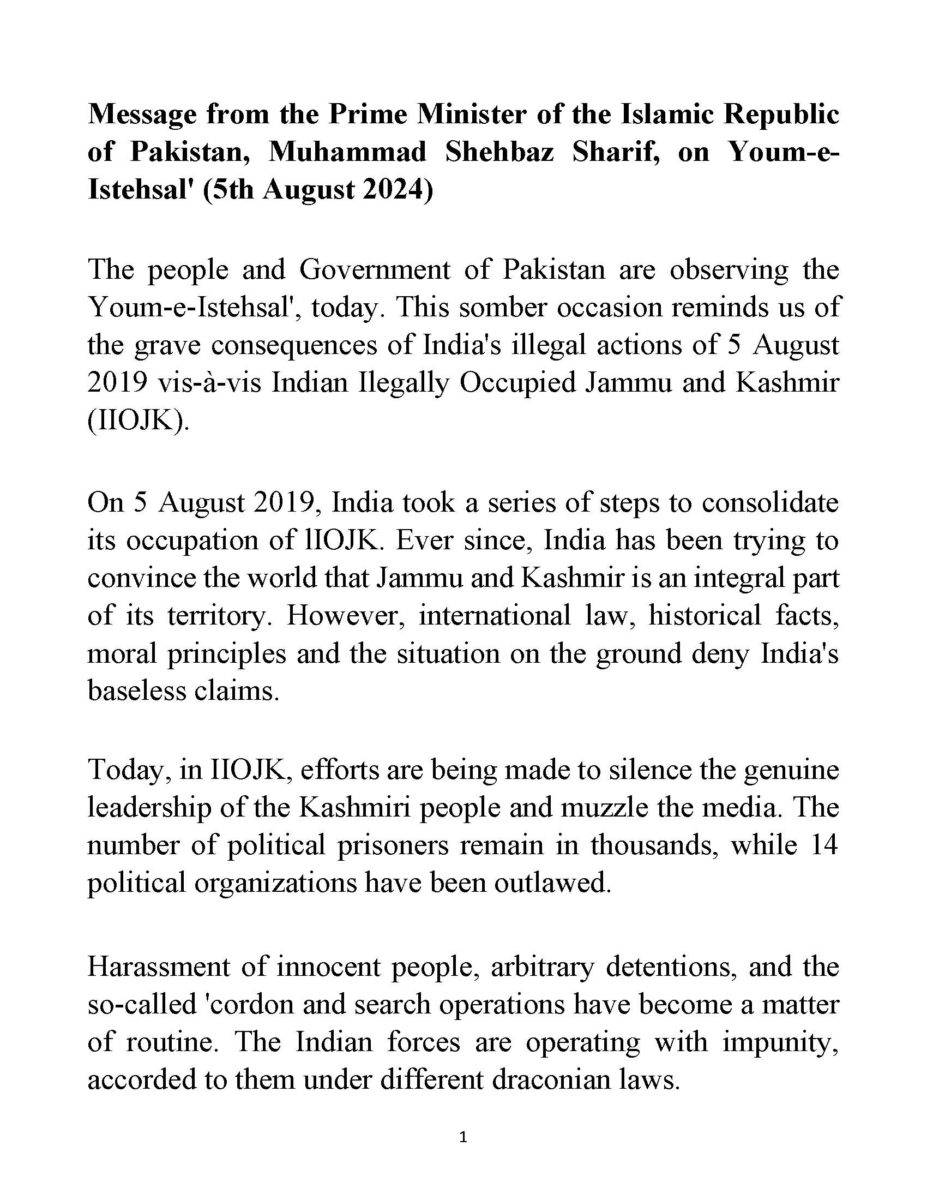
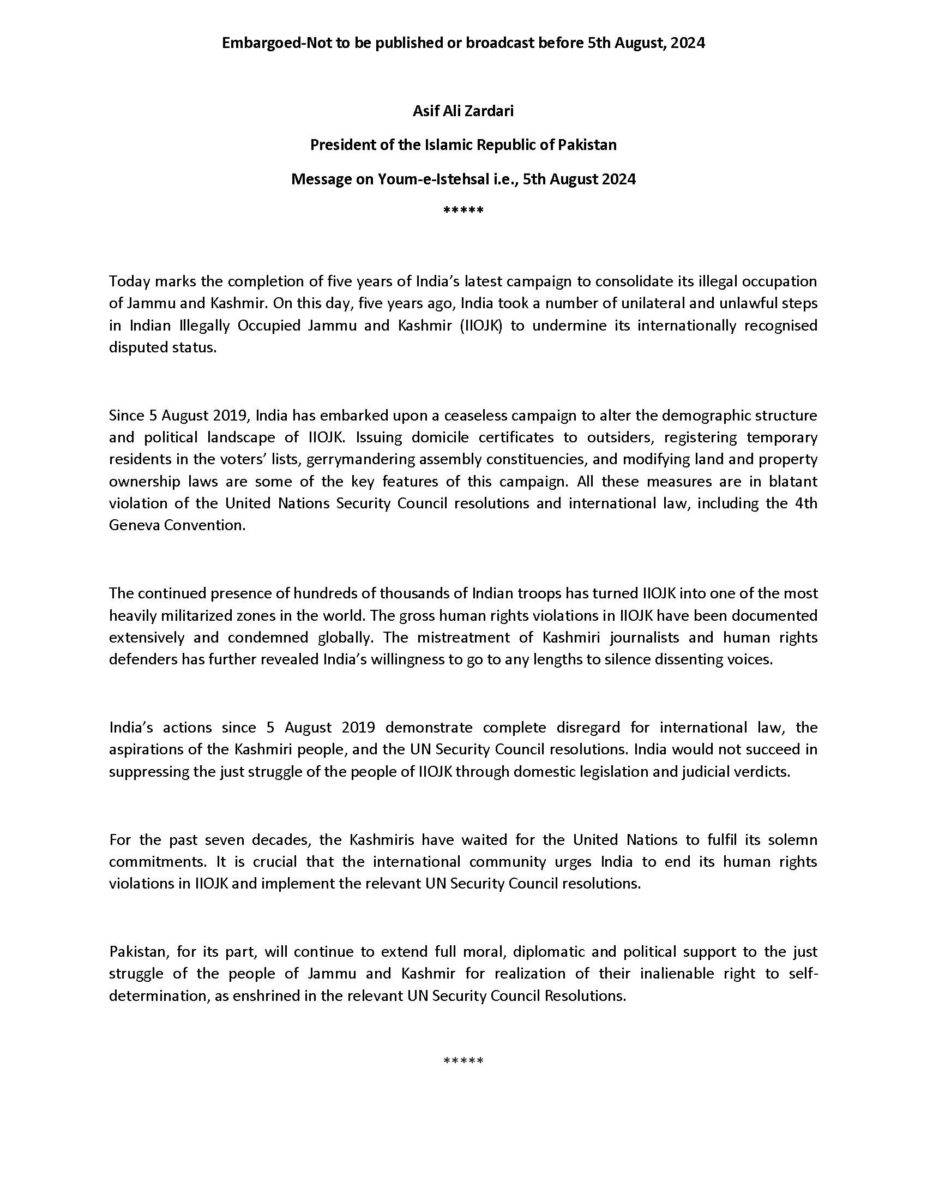
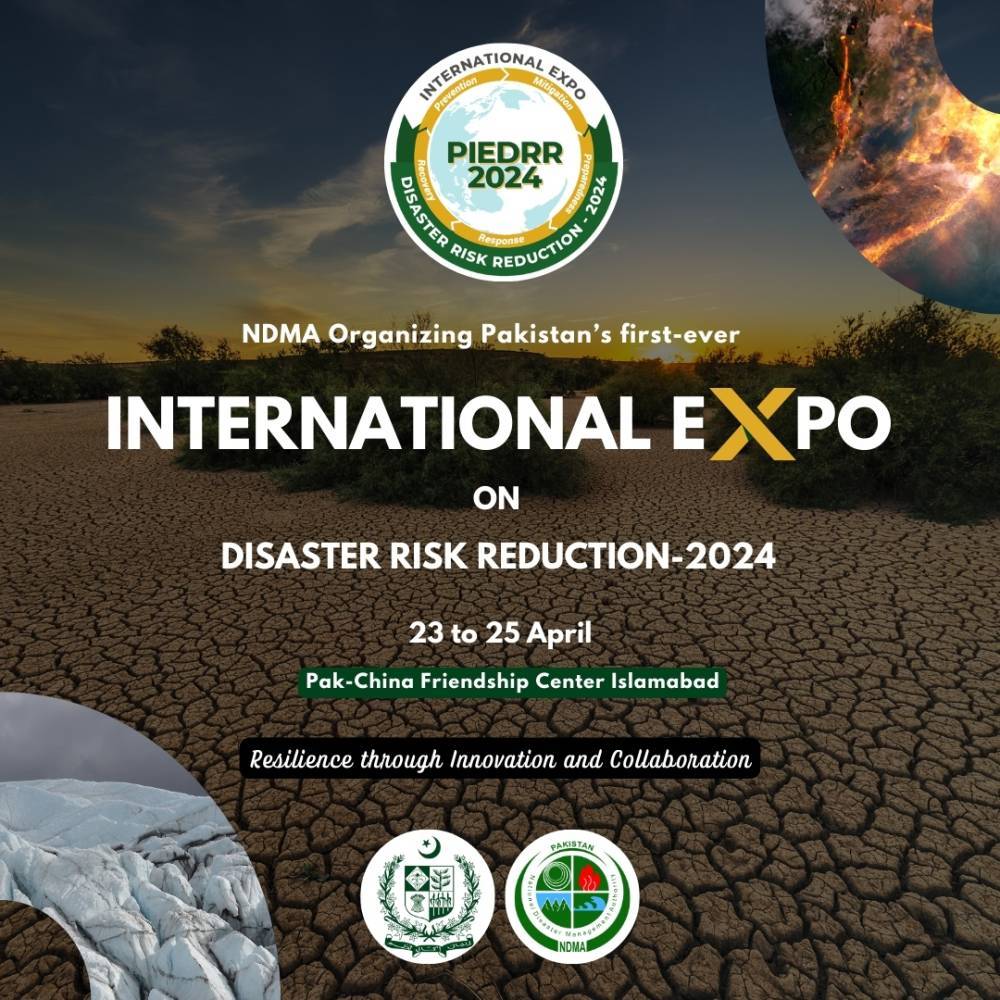


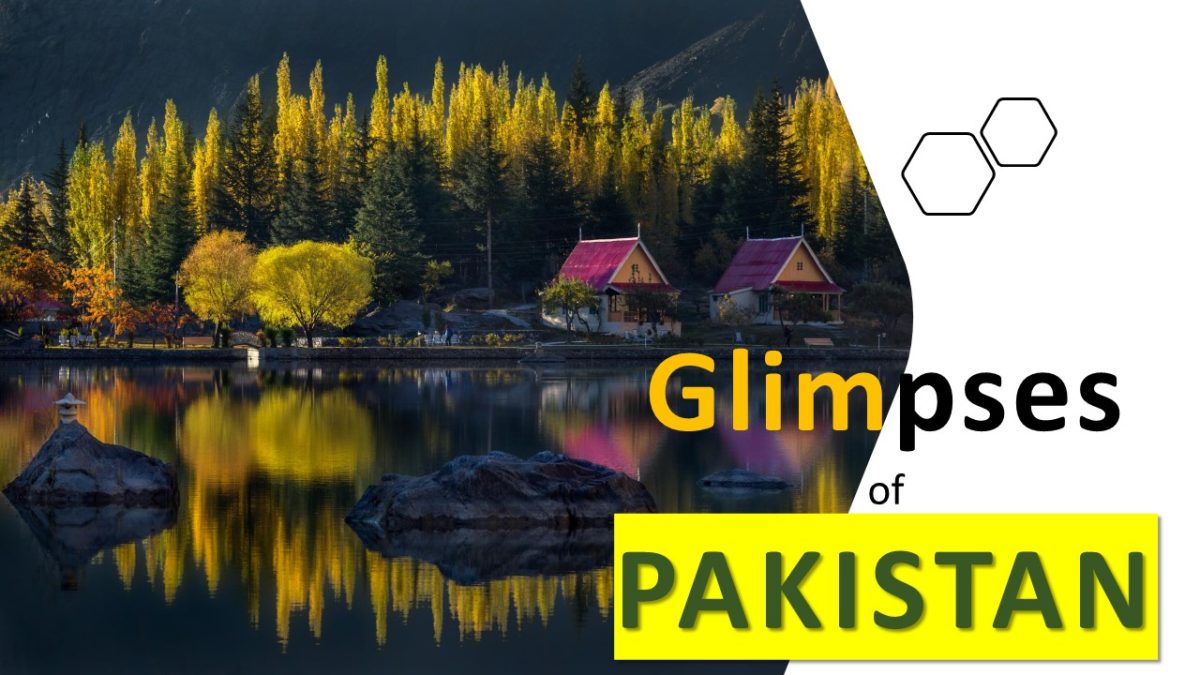
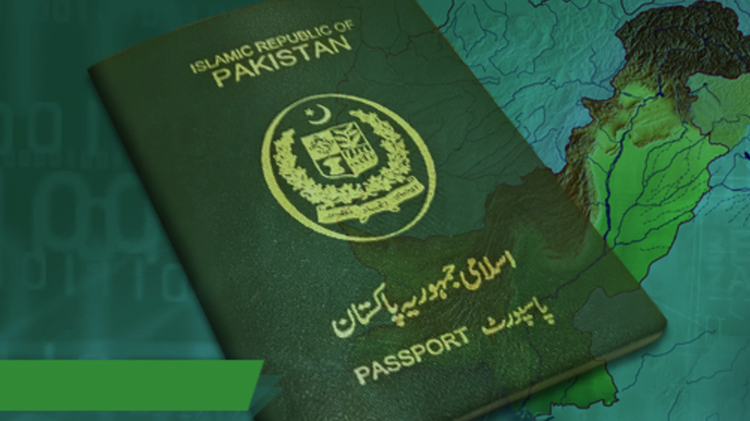



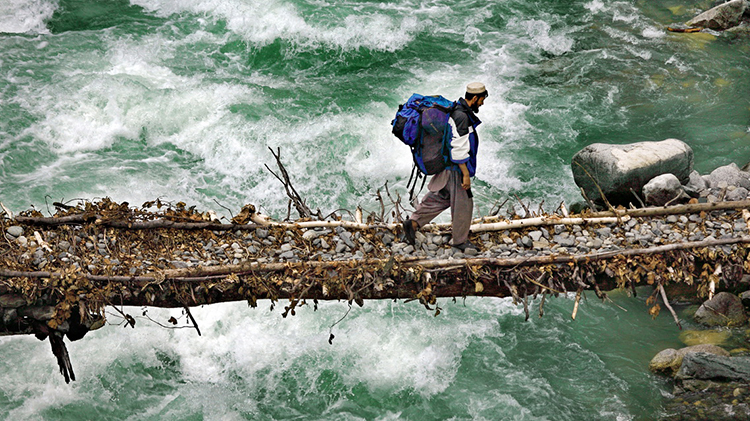
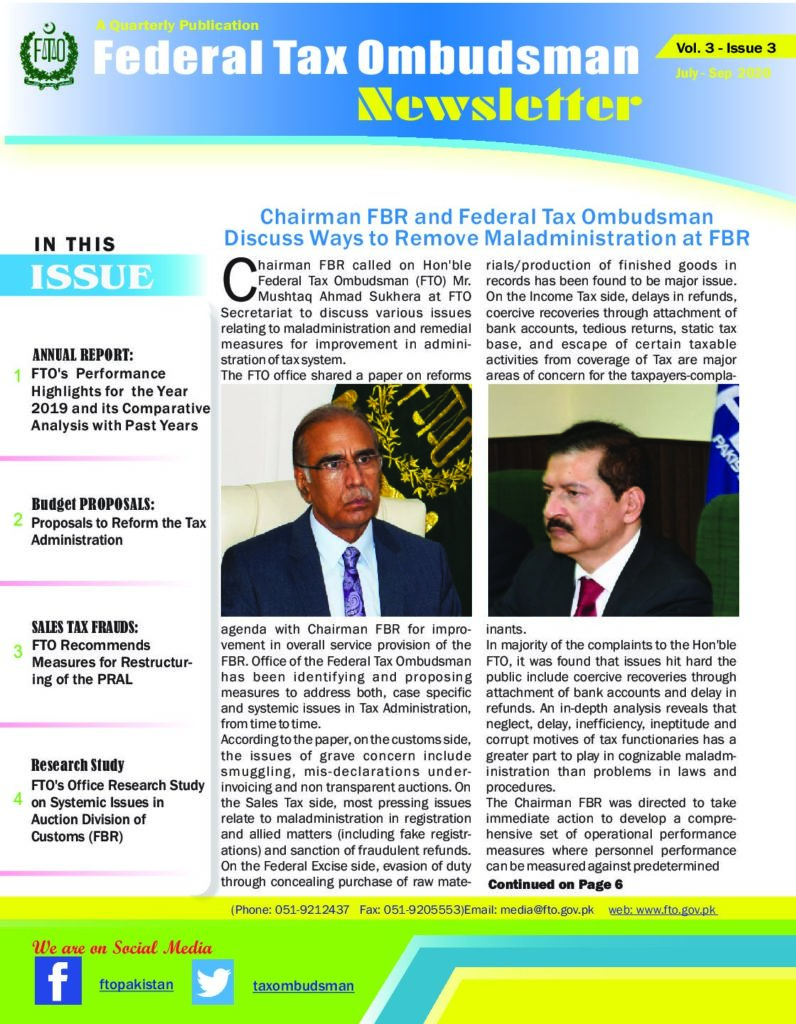

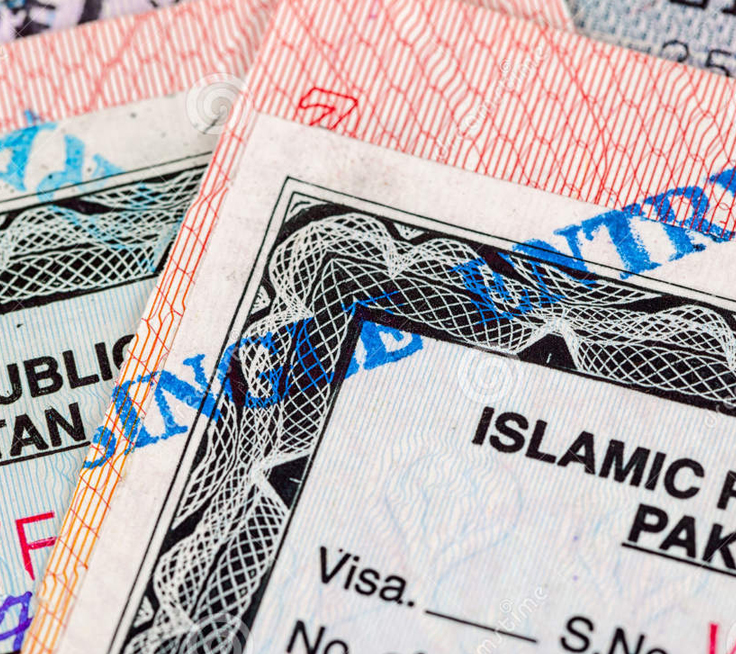
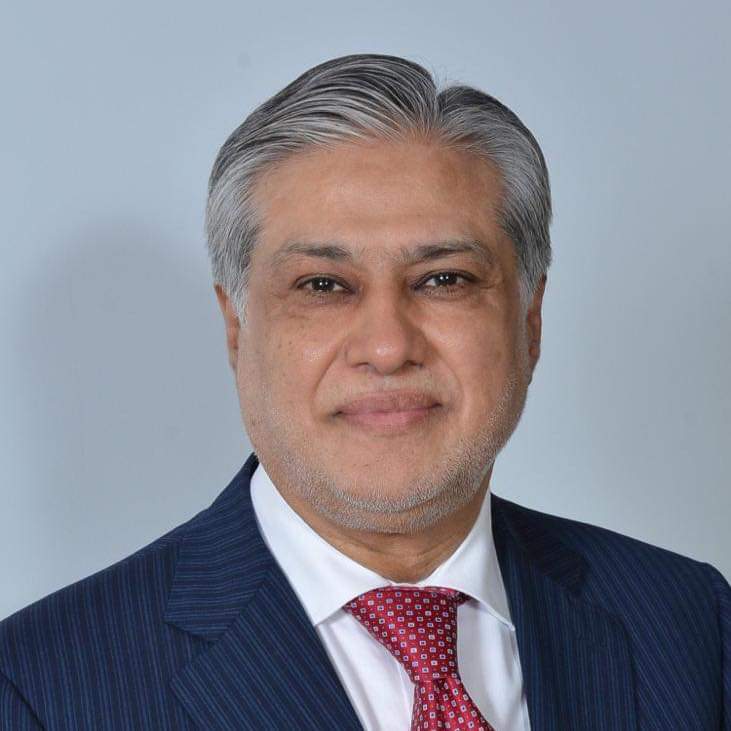















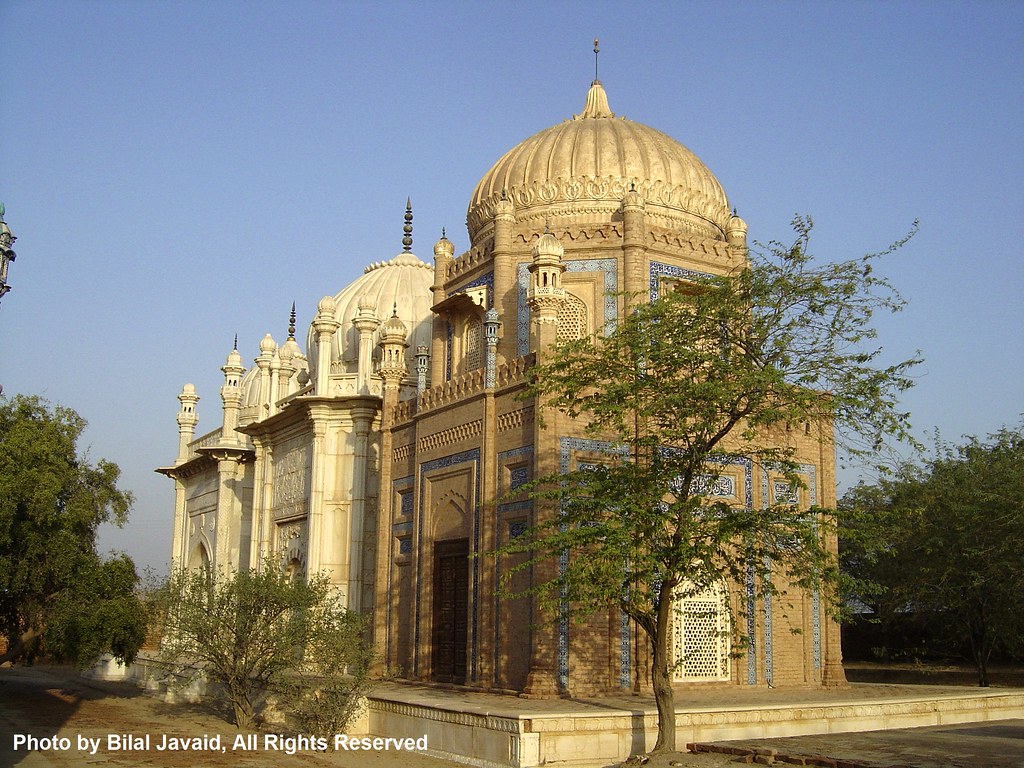
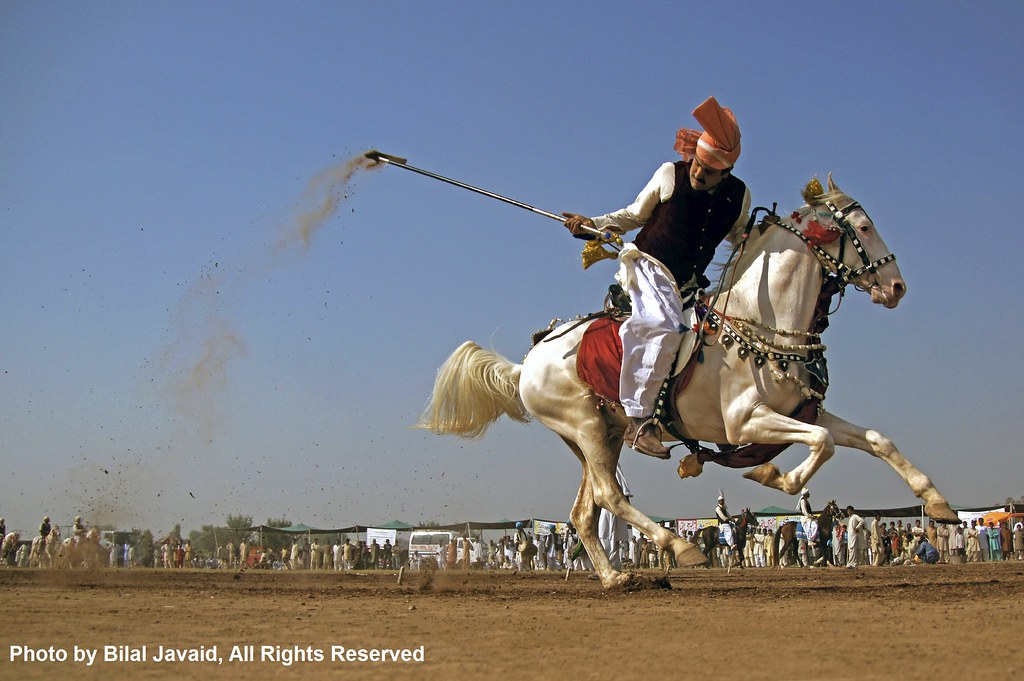


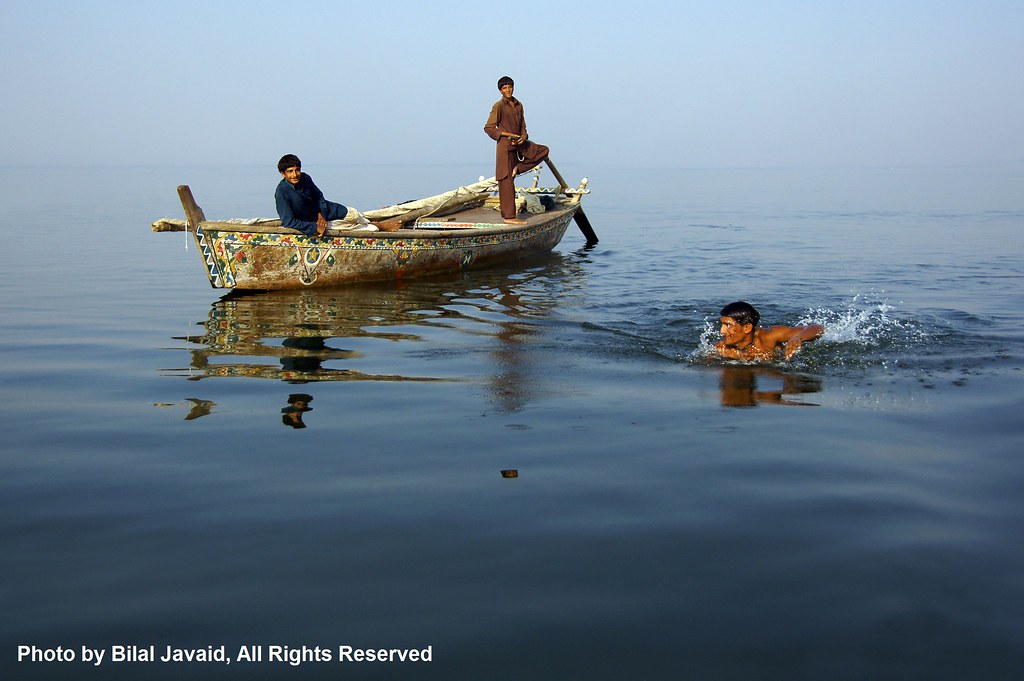


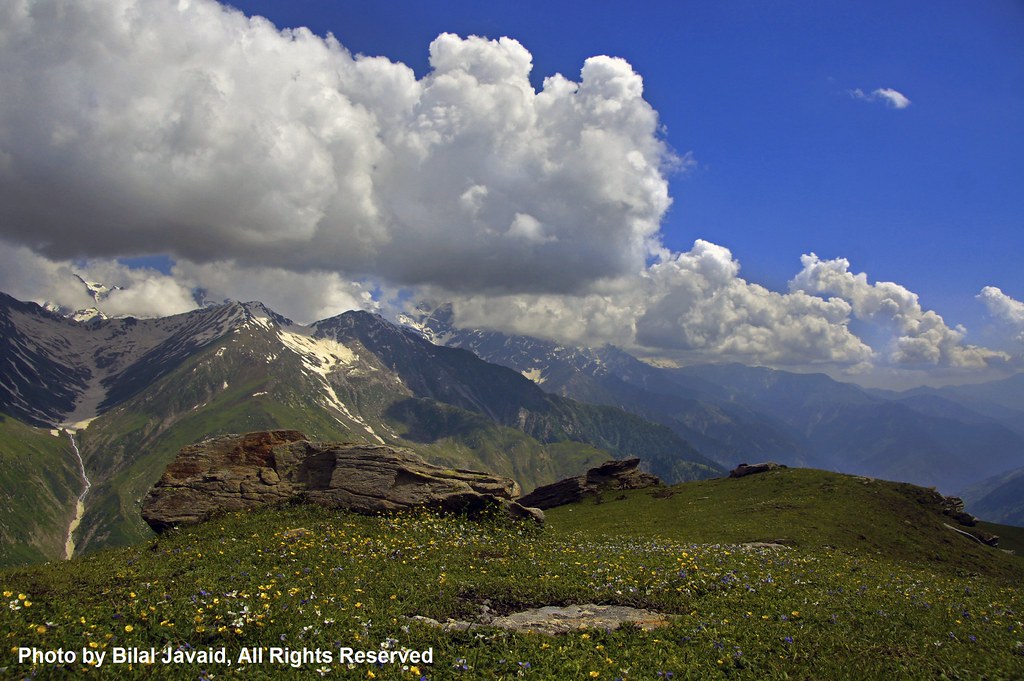

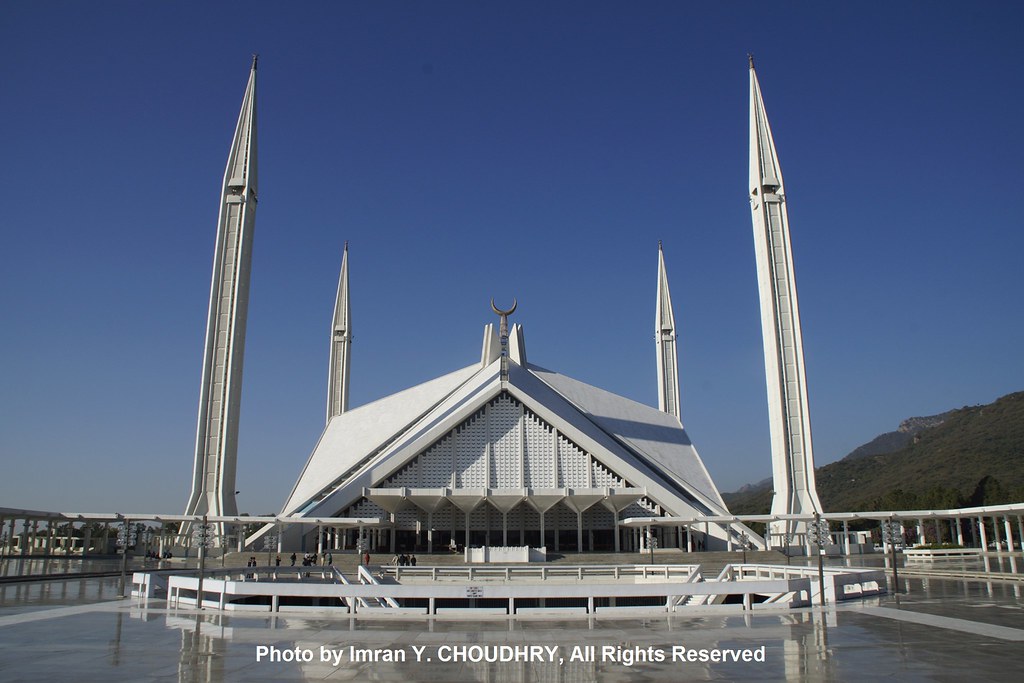


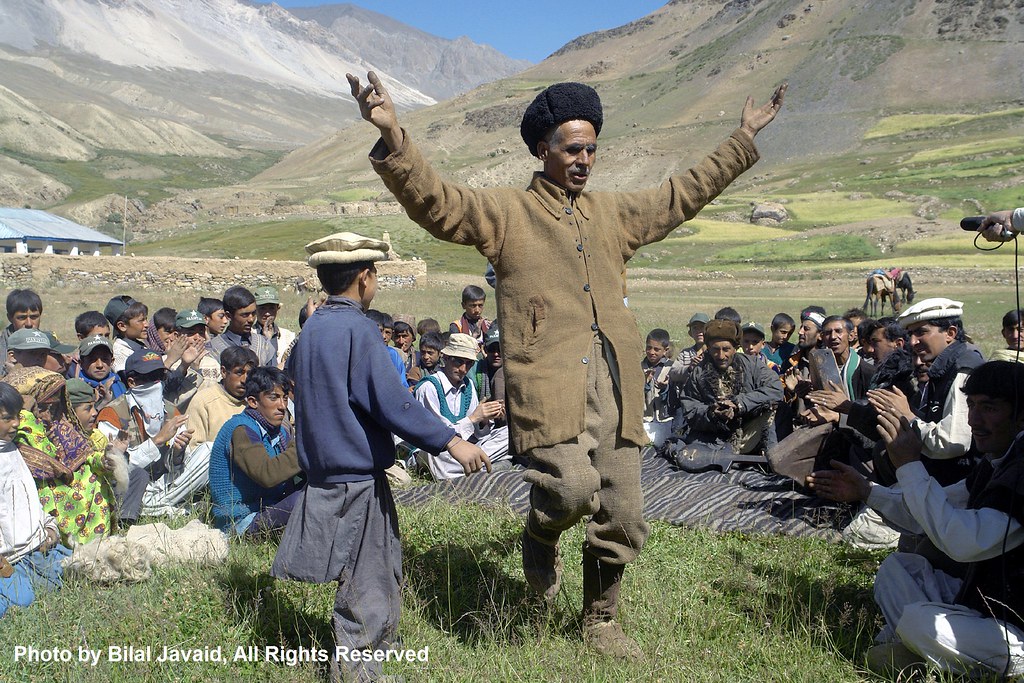

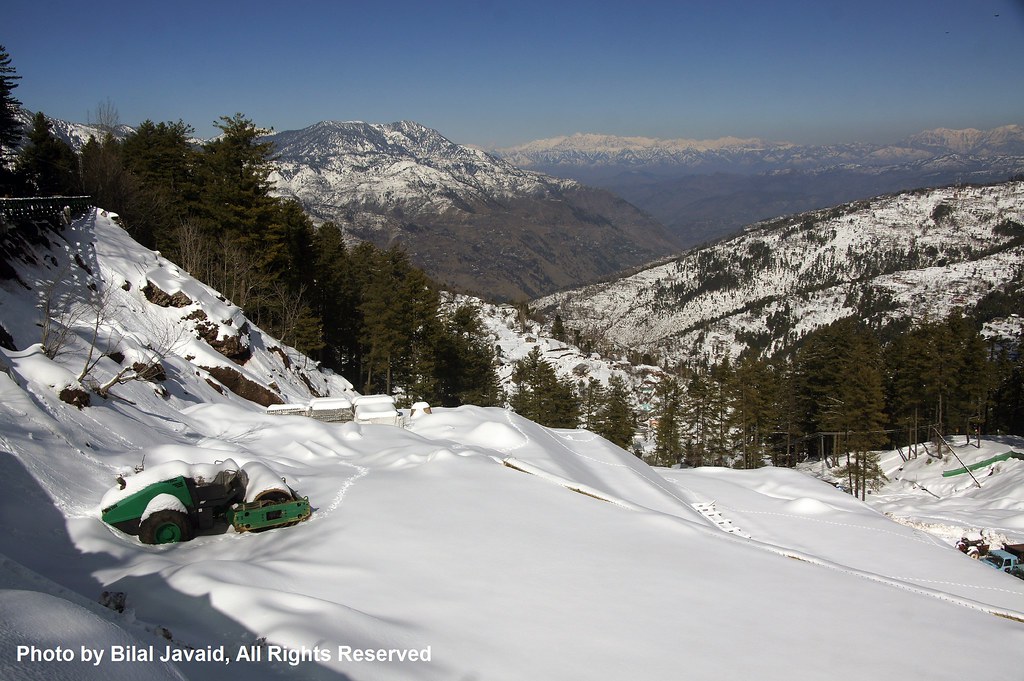

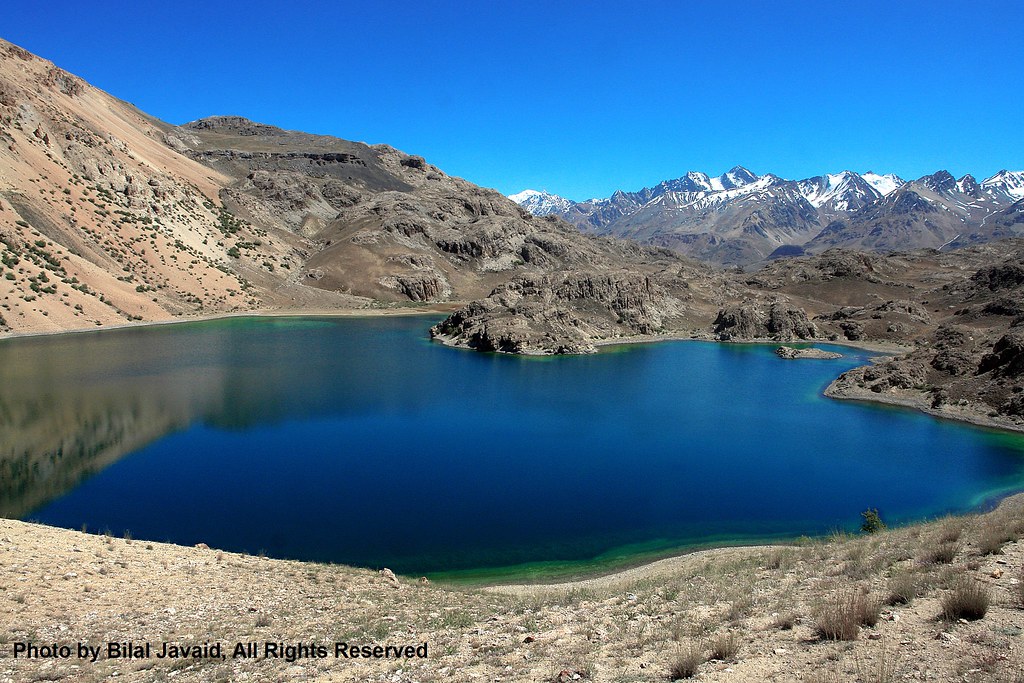


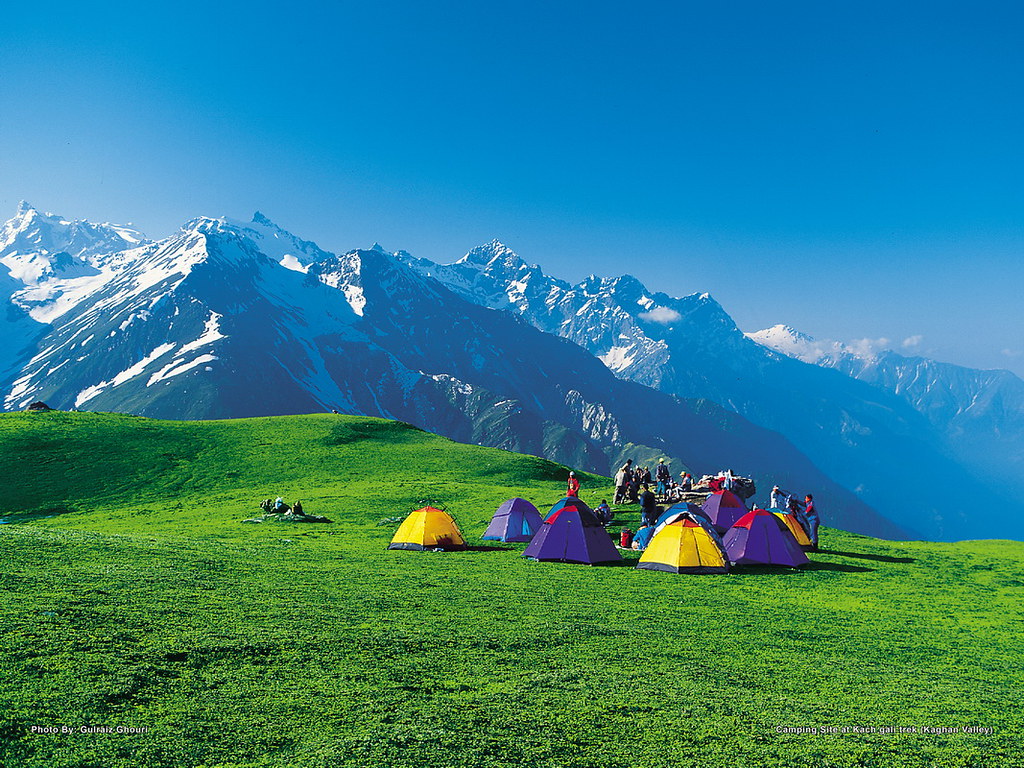

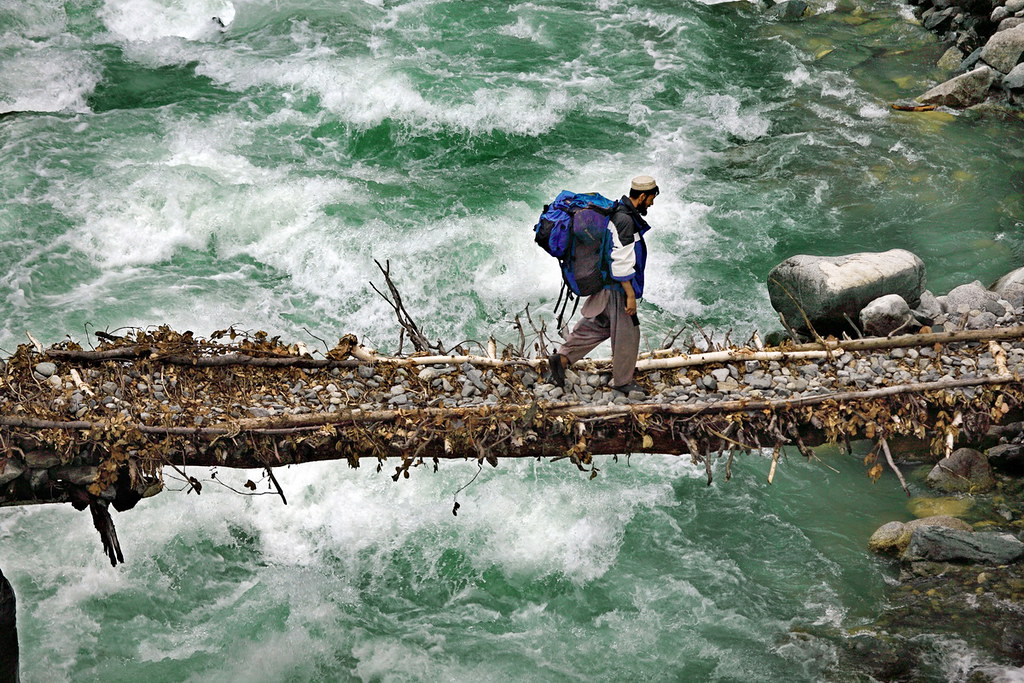


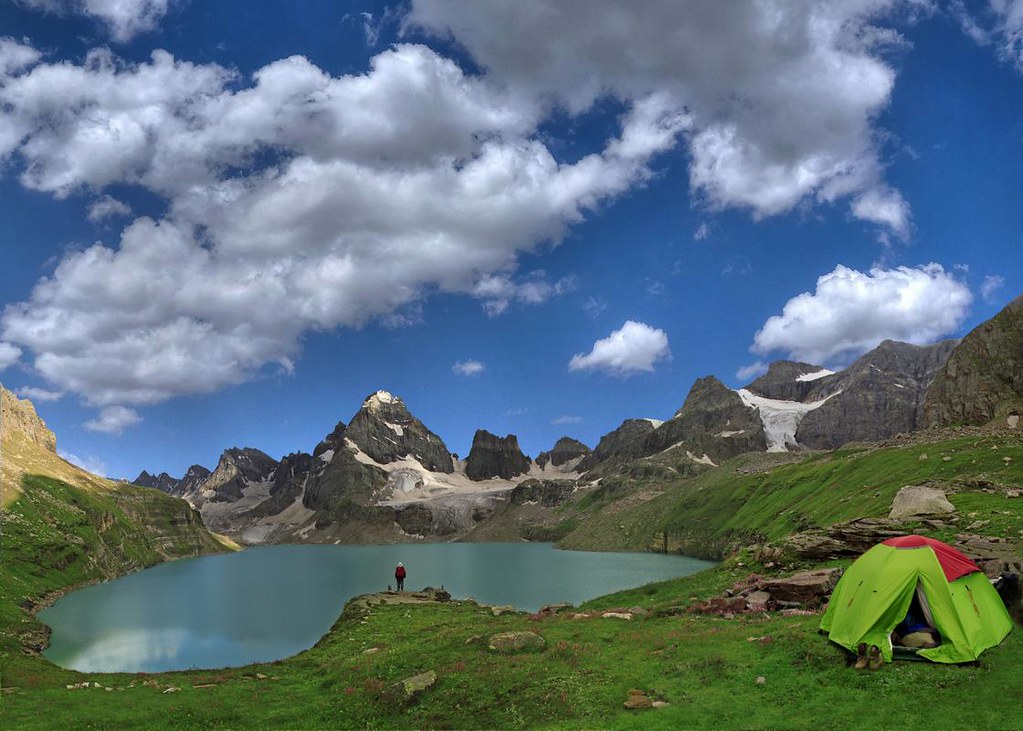


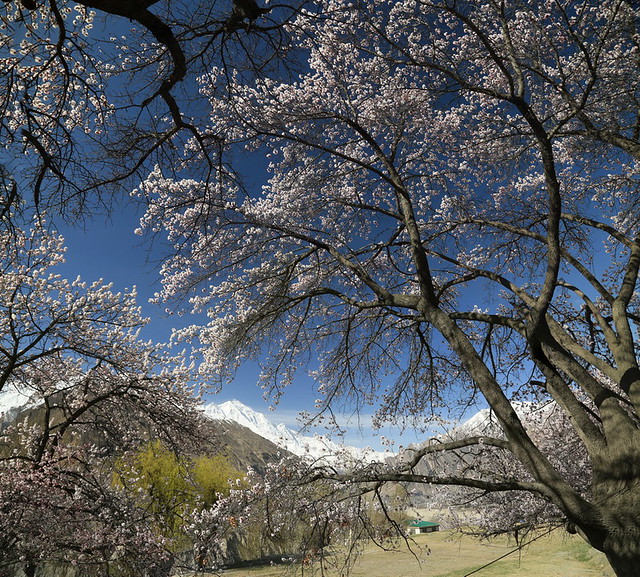


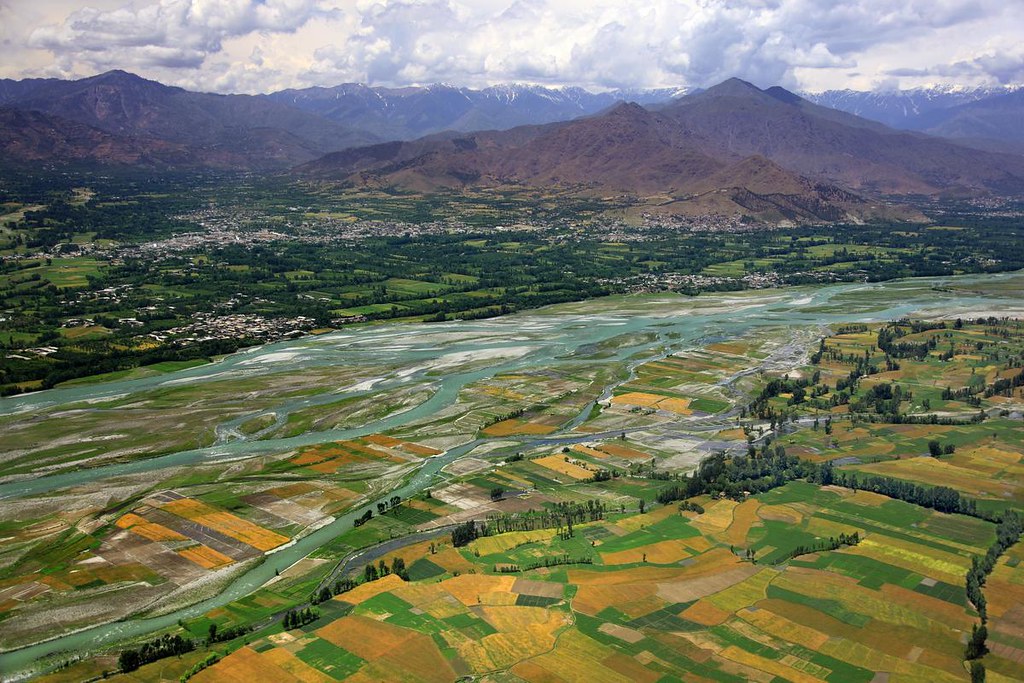


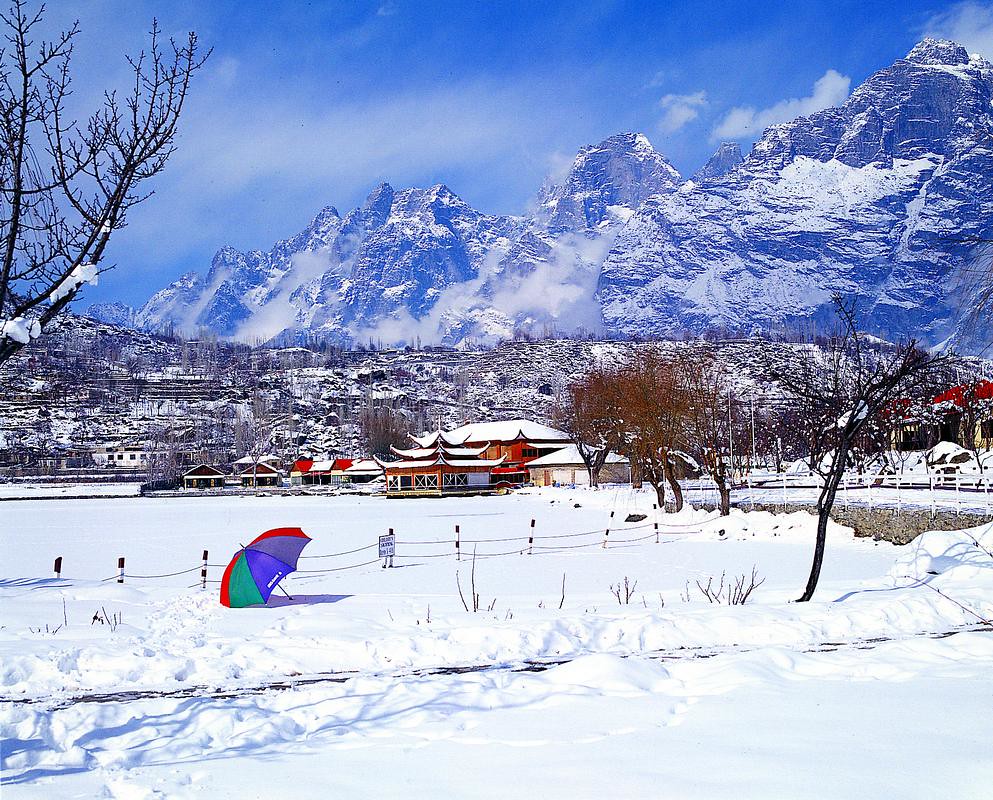


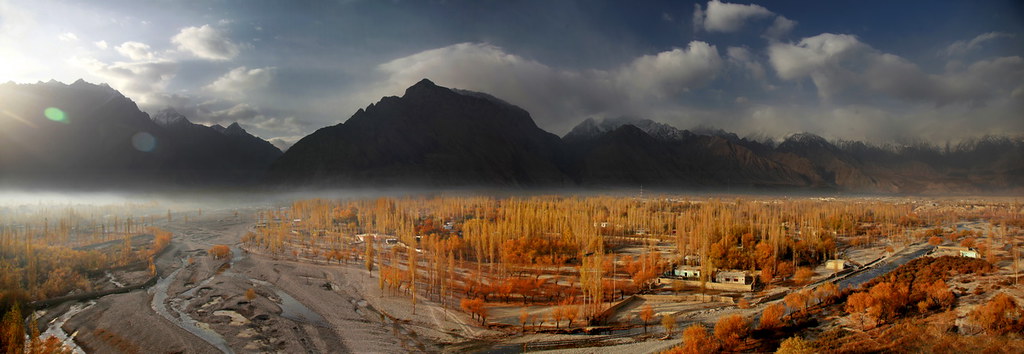

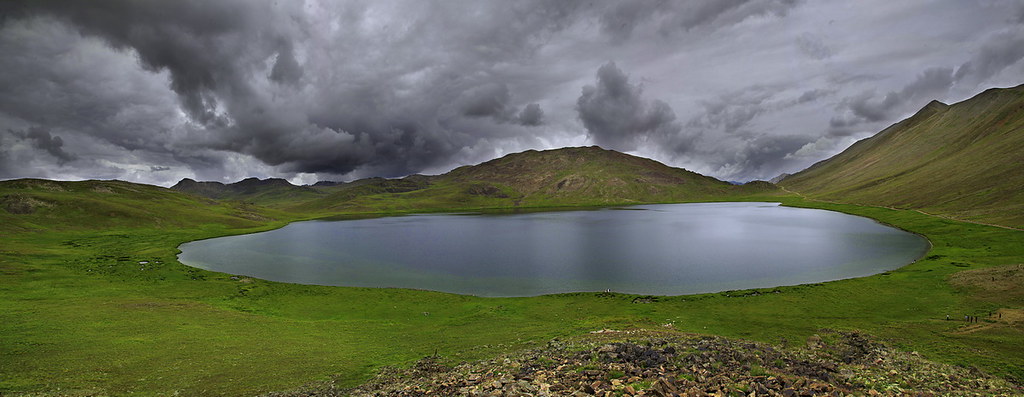
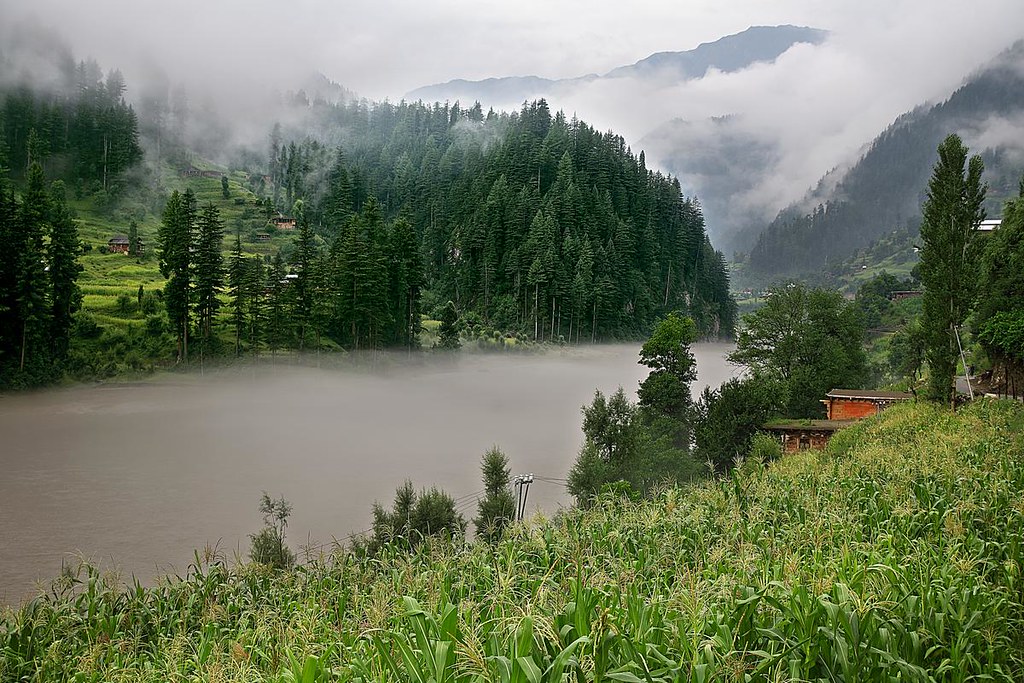



 ****
****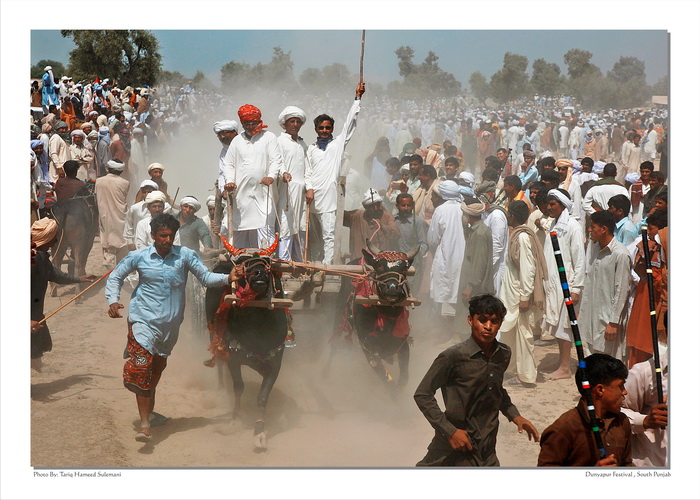
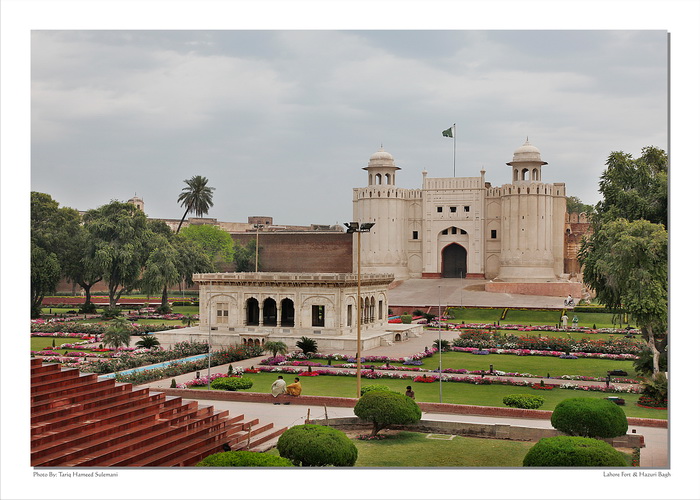
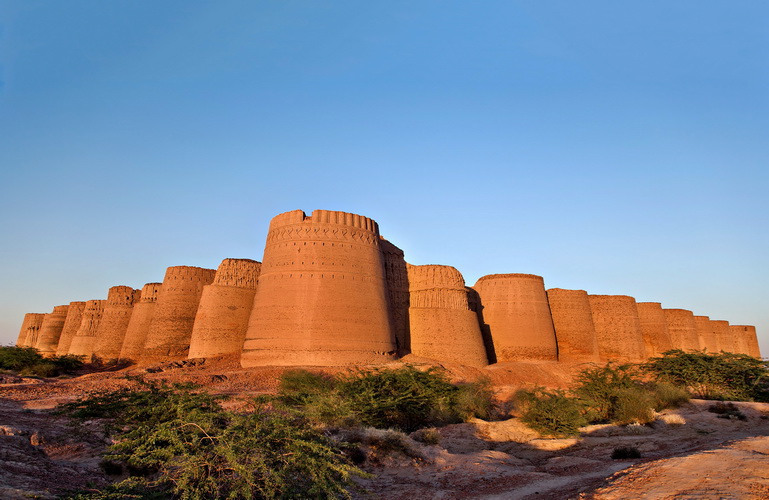
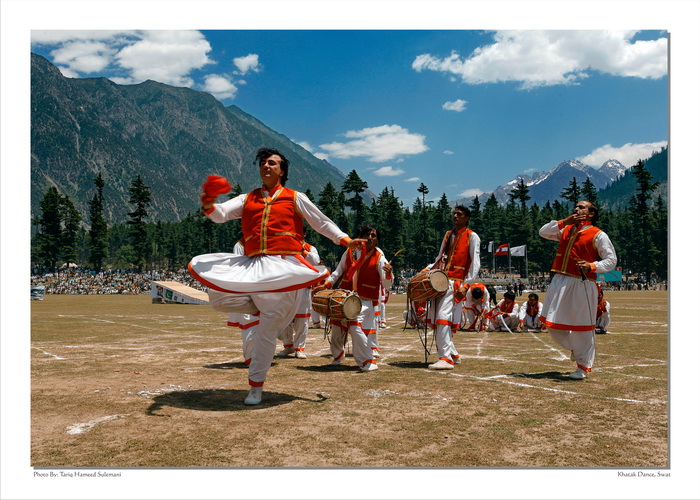
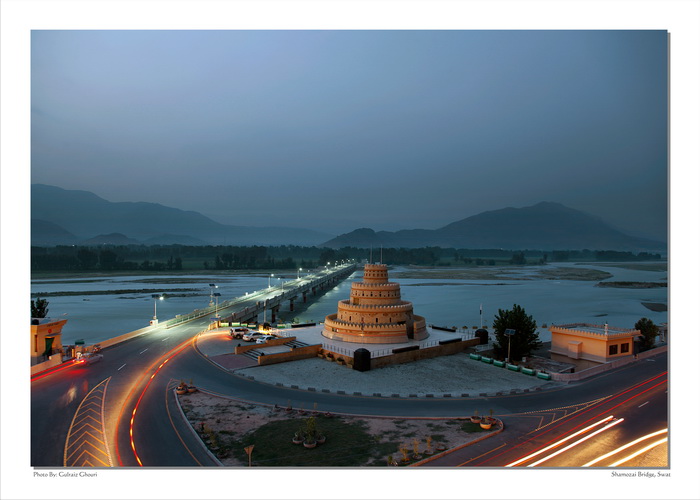
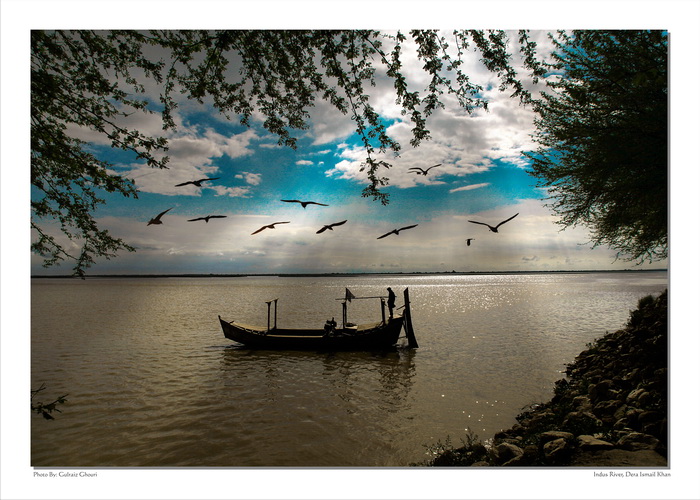
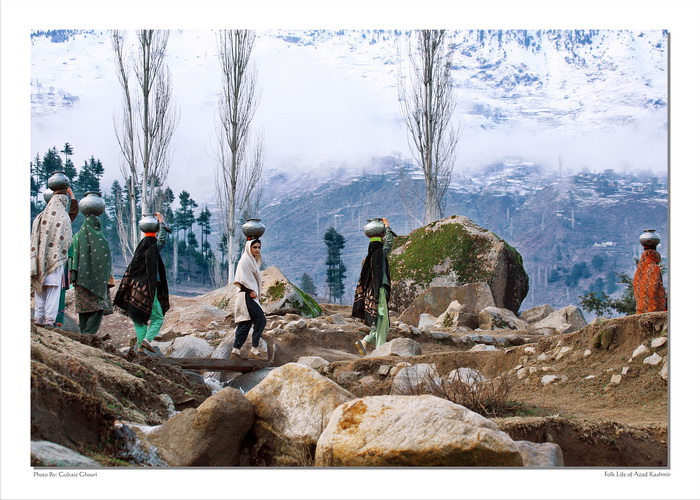
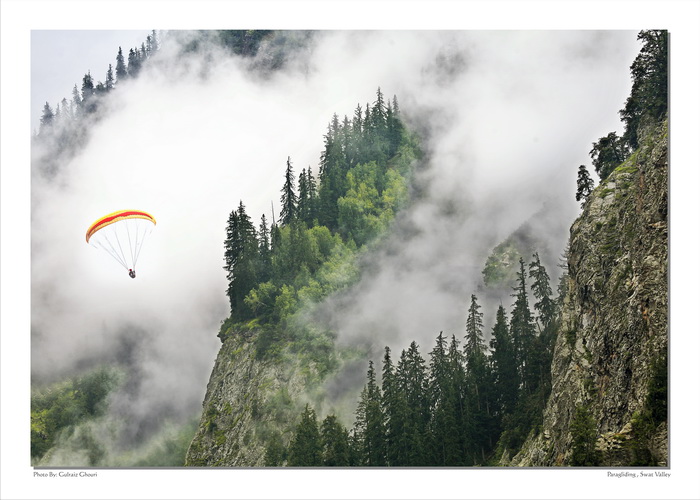
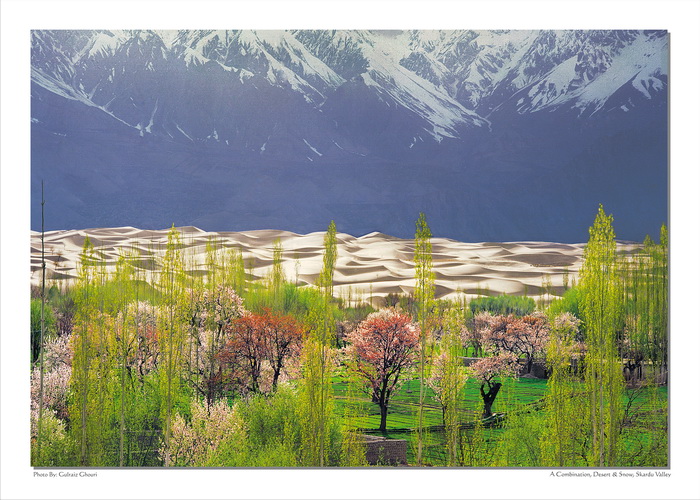
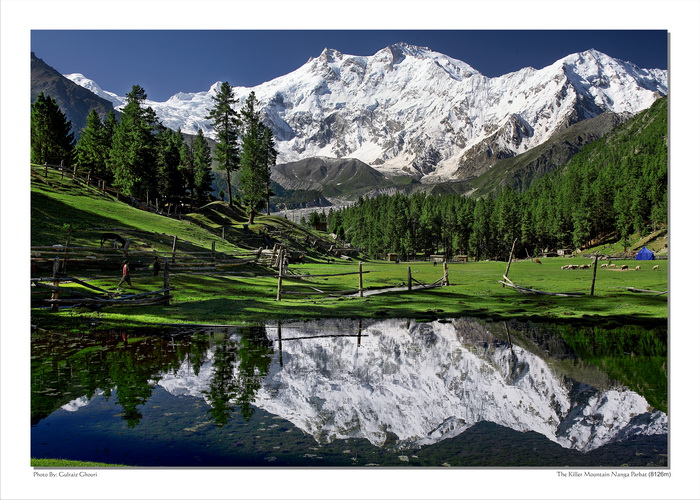
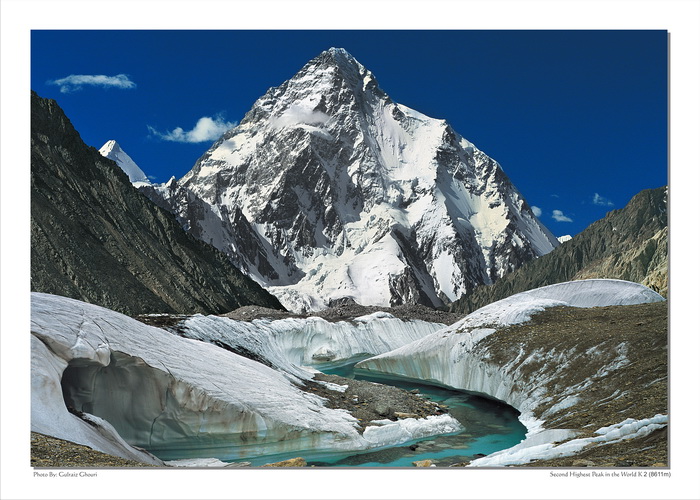

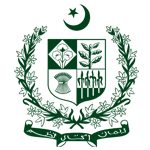
 1 April 2016